Korea has days for ancestors, an alphabet, a harvest, a constitution and chocolate-covered biscuit sticks. They do not all mean a day off. Some reshape the travel calendar; others explain the decorations in a shop window or the food suddenly appearing on restaurant menus.
This year-round overview separates public holidays from cultural observances and points you toward longer Korea Unboxed articles when you want the story behind the date. If you are planning a trip, start with Seollal and Chuseok: those are the two holidays most likely to affect intercity travel and family-run businesses.
First, understand the calendar
Most everyday dates in Korea use the same January-to-December calendar you probably use at home. Seollal, Buddha’s Birthday and Chuseok follow the traditional lunar calendar, so their dates move each year. “Lunar August 15” does not mean August 15 on your phone.
A public holiday is also different from a cultural celebration. Pepero Day fills convenience-store shelves but does not close government offices. Kimjang is a season of making and sharing kimchi, rather than a single national day off.
Use the Korea Tourism Organization’s holiday calendar for the dates that apply to your trip. Substitute days off, elections and specially designated holidays can change the shape of a long weekend. Do not assume every holiday falling on a weekend automatically moves to Monday.
Winter and early spring
New Year’s Day: January 1
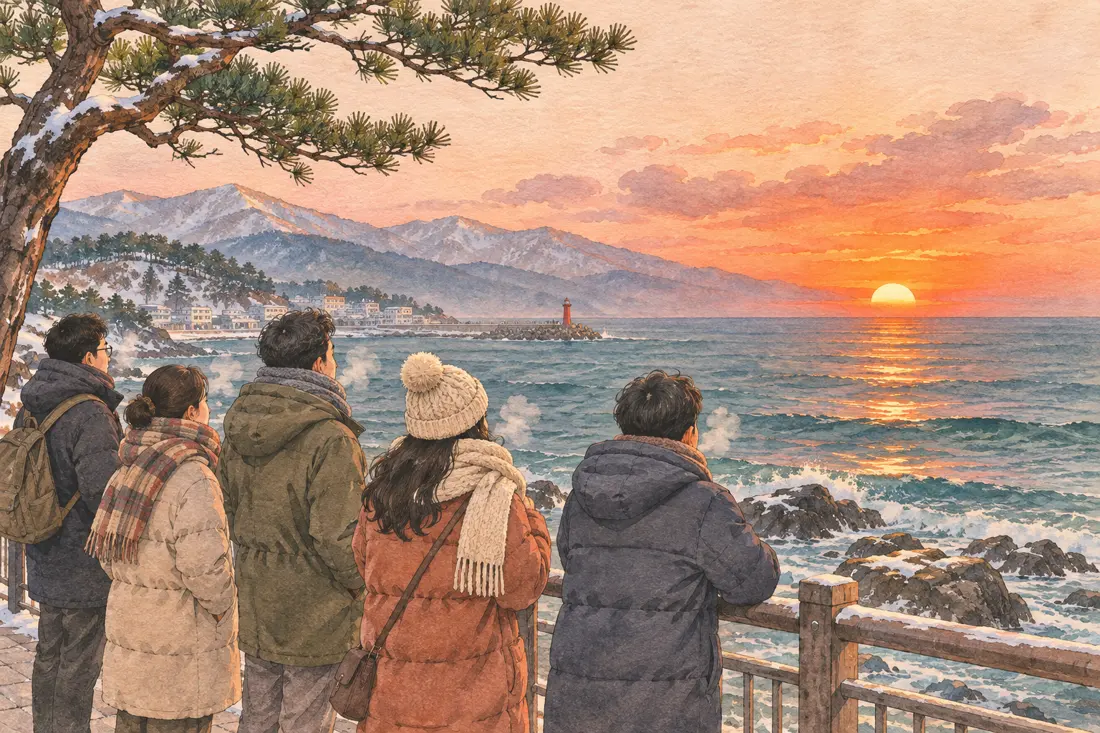
Public holiday. The solar new year begins with sunrise trips to the coast and mountains. For a visitor, this is a chance to join a distinctly outdoorsy celebration, but popular viewpoints require planning for cold, darkness and crowds. January 1 and Seollal are separate holidays, not two names for the same event.
Seollal: the first day of the first lunar month
Public holiday, with a three-day holiday period around the main day. Seollal is the Korean Lunar New Year. Families gather, younger relatives bow to elders in a greeting called sebae, and bowls of sliced rice-cake soup, tteokguk, appear on the table. Some families hold ancestral rites, while others celebrate more informally.
Book intercity travel early rather than assuming you can buy a train ticket on the day. In Seoul, a quiet office district and a busy palace can coexist during the same holiday. Check the actual opening hours of restaurants and attractions you care about instead of writing off the whole city.

Independence Movement Day: March 1
Public holiday. This commemorates the March 1 independence movement of 1919 under Japanese colonial rule. It is not the same as Liberation Day in August. A visit to a history museum or independence-related site gives the day more meaning than treating it simply as another long weekend.
Late spring and summer
Workers’ Day: May 1
Public holiday. This day recognizes workers and their rights. It became a public holiday for government offices in 2026, so older advice describing it only as a private-sector day off is out of date. If you need banking or administrative services during a trip, plan around it.
Children’s Day: May 5
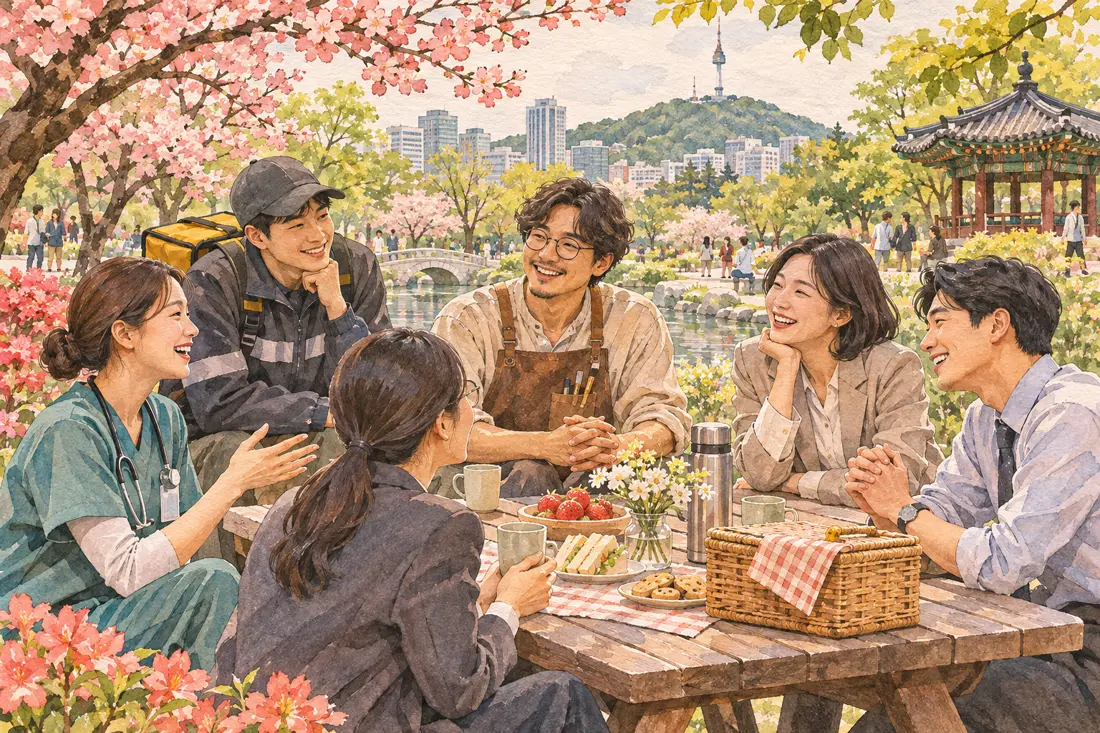
Public holiday. May 5 puts children at the center of the day. For travelers with kids, it is a natural time to look for family activities. For travelers without kids, it is a useful warning that the zoo or theme park may not be the quiet option. Make reservations for popular family attractions ahead of time.

Buddha’s Birthday: the eighth day of the fourth lunar month
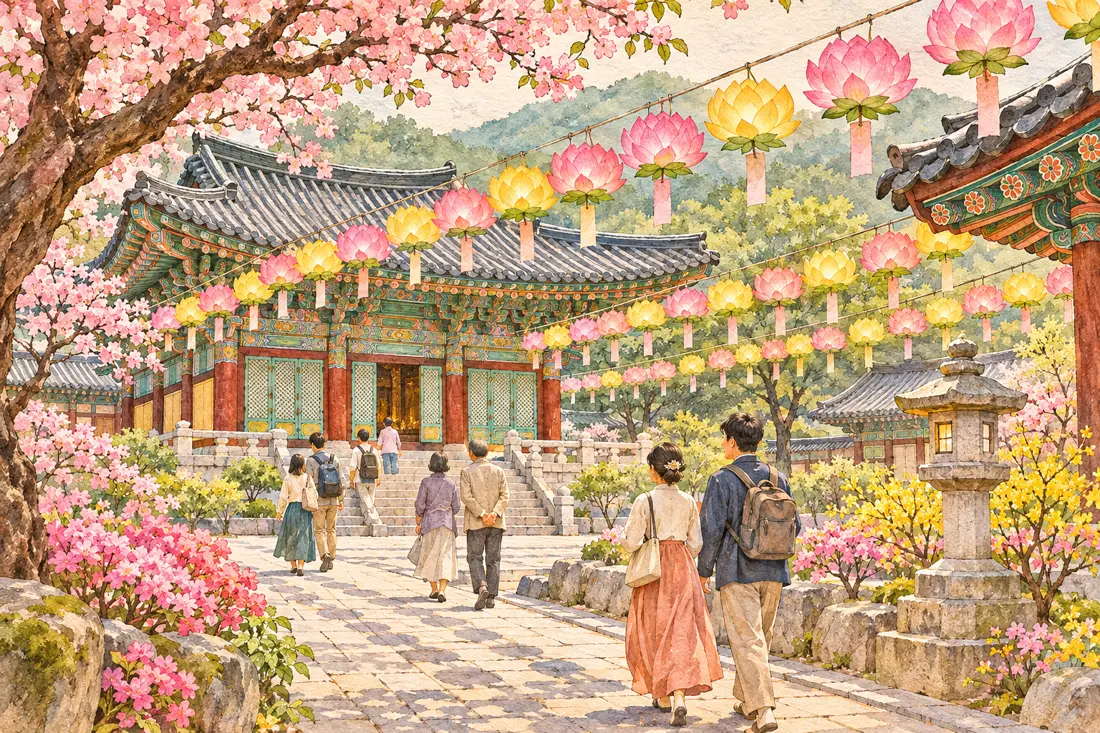
Public holiday. Temples brighten with lotus lanterns around Buddha’s Birthday. It is one of the most visually memorable times to explore Korea’s Buddhist culture. The wider lantern-festival program has its own schedule, so check the event dates rather than assuming a parade happens on the holiday itself. At a working temple, leave worshippers room and follow the site’s photography rules.
Memorial Day: June 6
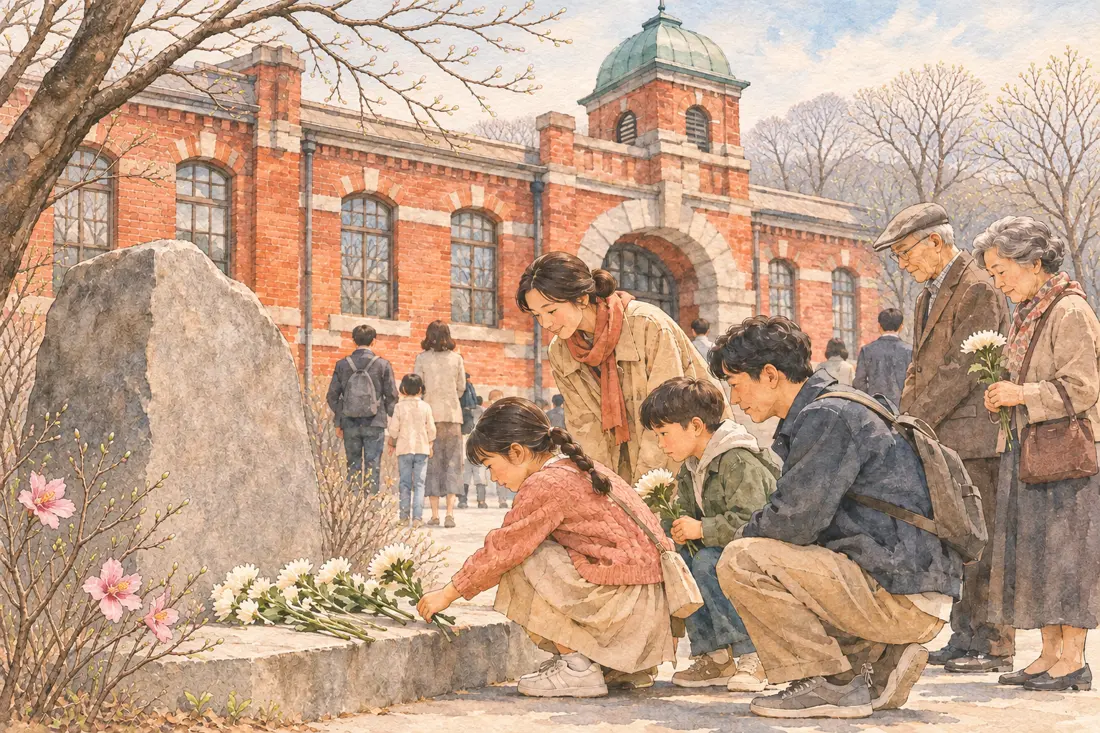
Public holiday. Memorial Day honors people who died in service to the country. Its mood is commemorative rather than festive. If you visit a national cemetery or memorial, treat it as a place of remembrance, not a backdrop for a holiday photoshoot.

Constitution Day: July 17
Public holiday. The date marks the proclamation of South Korea’s constitution in 1948. Its public-holiday status was restored in 2026. That matters when planning summer appointments: an older calendar or travel article may still say it is a normal working day.
Workers’ Day and Constitution Day also have substitute days off in 2027, listed in the official calendar.
Liberation Day: August 15
Public holiday. Gwangbokjeol marks liberation from Japanese colonial rule in 1945. The national flags you see around town belong to a celebration of independence, not a summer festival. Because it falls during the summer travel season, check accommodation and transport availability if you are building a trip around the break.

Autumn and the end of the year
Chuseok: the fifteenth day of the eighth lunar month
Public holiday, with a three-day holiday period around the main day. Chuseok brings family gatherings, harvest foods and visits to ancestral graves. The familiar half-moon rice cakes are songpyeon. “Korean Thanksgiving” is a convenient introduction, but the comparison leaves out much of the holiday’s relationship with ancestors and family responsibility.
Our Chuseok cultural deep dive explains those traditions and how they are changing. For transport, closures and sightseeing, read the 2026 Chuseok visitor guide, which covers that year’s dates, closures and travel arrangements.
National Foundation Day: October 3
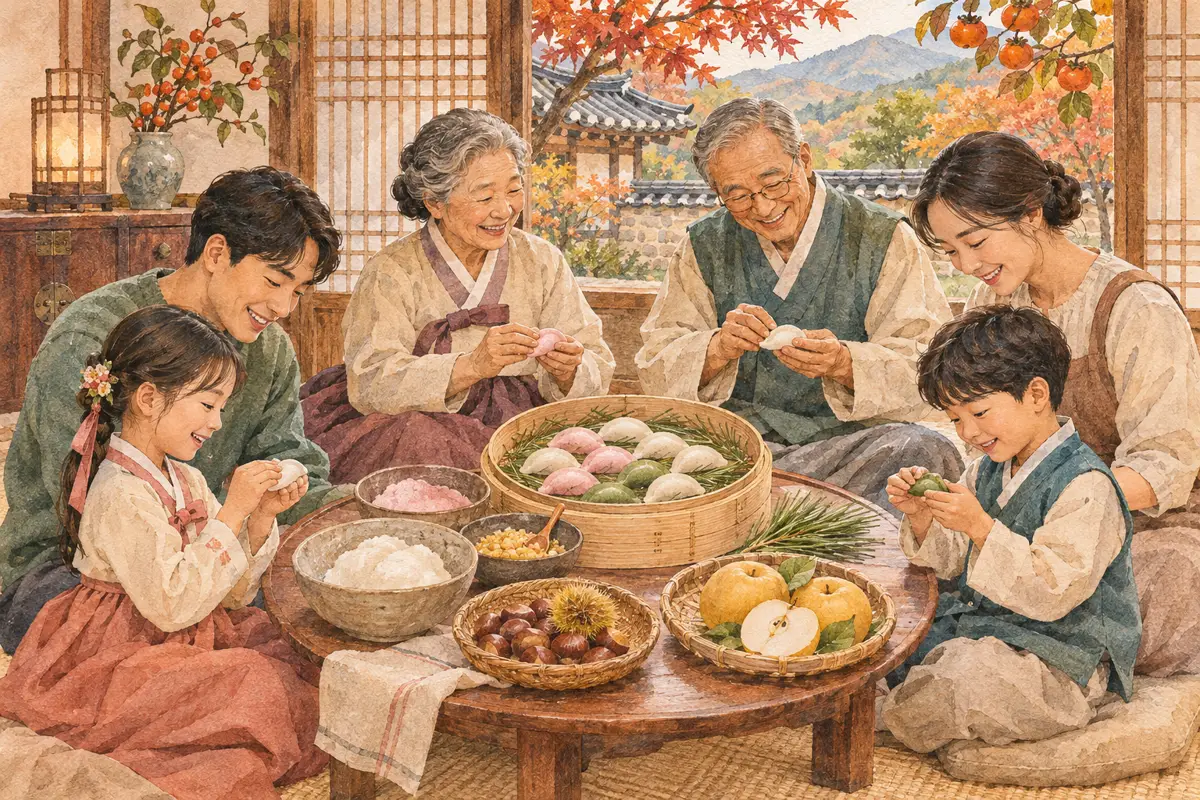
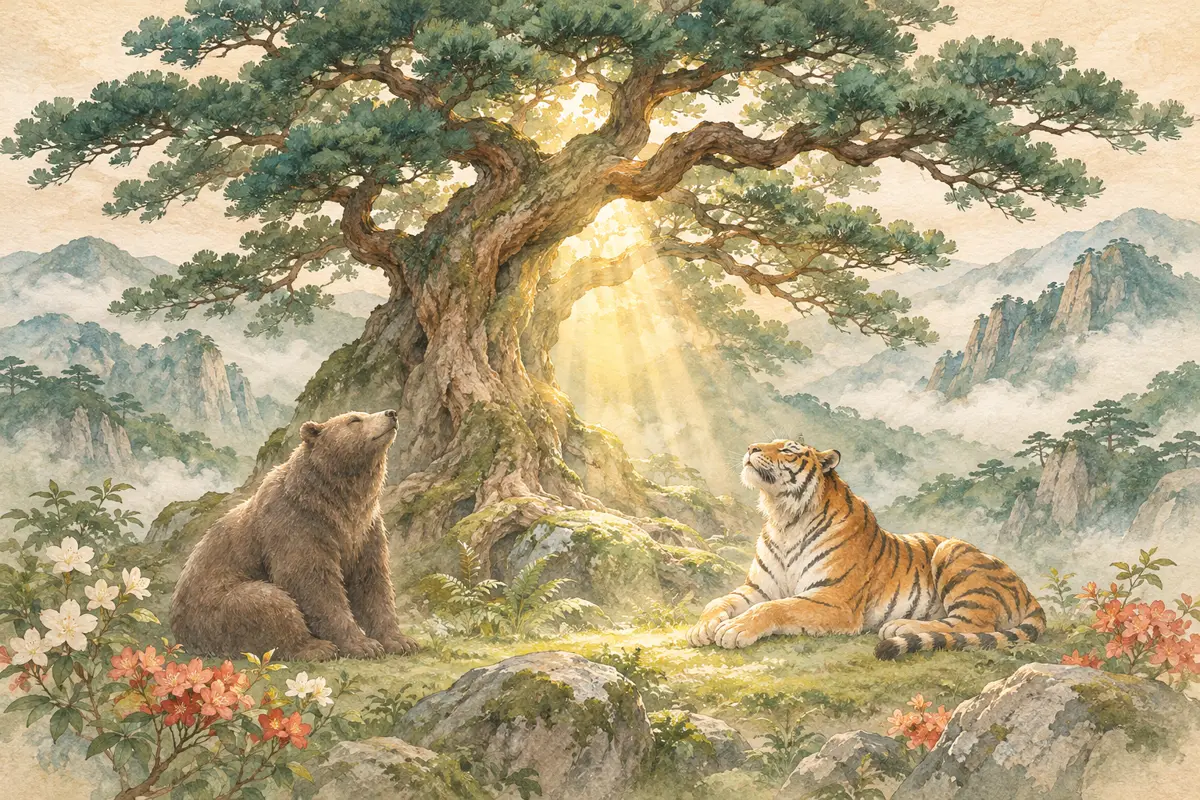
Public holiday. Gaecheonjeol connects Korea’s national origins with Dangun, the legendary founder of Gojoseon. Think of it as an opening into Korea’s founding story, rather than the anniversary of the modern republic. For travelers, its position in autumn can combine with nearby holidays to make a particularly busy sightseeing period.
Hangeul Day: October 9
Public holiday. Korea devotes a day to its alphabet. Hangeul Day celebrates the writing system associated with King Sejong and the publication that introduced it. You do not need to read Korean to appreciate the idea: an alphabet designed to make literacy more accessible deserves a good story.
Start with why Korea has a holiday for its alphabet for the history behind the letters you see on every street.

Christmas Day: December 25
Public holiday. Christmas in Korea brings church services as well as lights, shopping displays and meals out. Do not assume it works like a country where almost every restaurant closes for a family lunch. Check the places you want to visit, and book a special dinner rather than relying on a walk-in.

Special days that are not public holidays
Daeboreum, Hansik and Dano
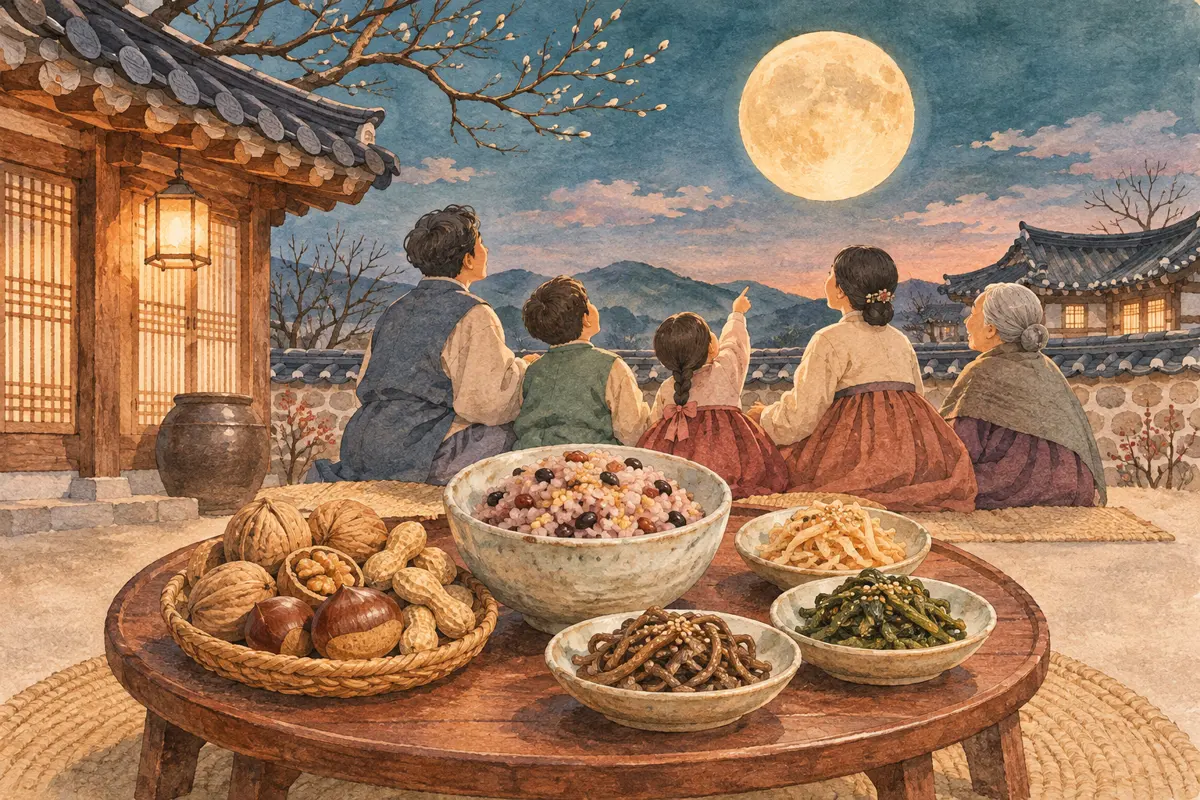
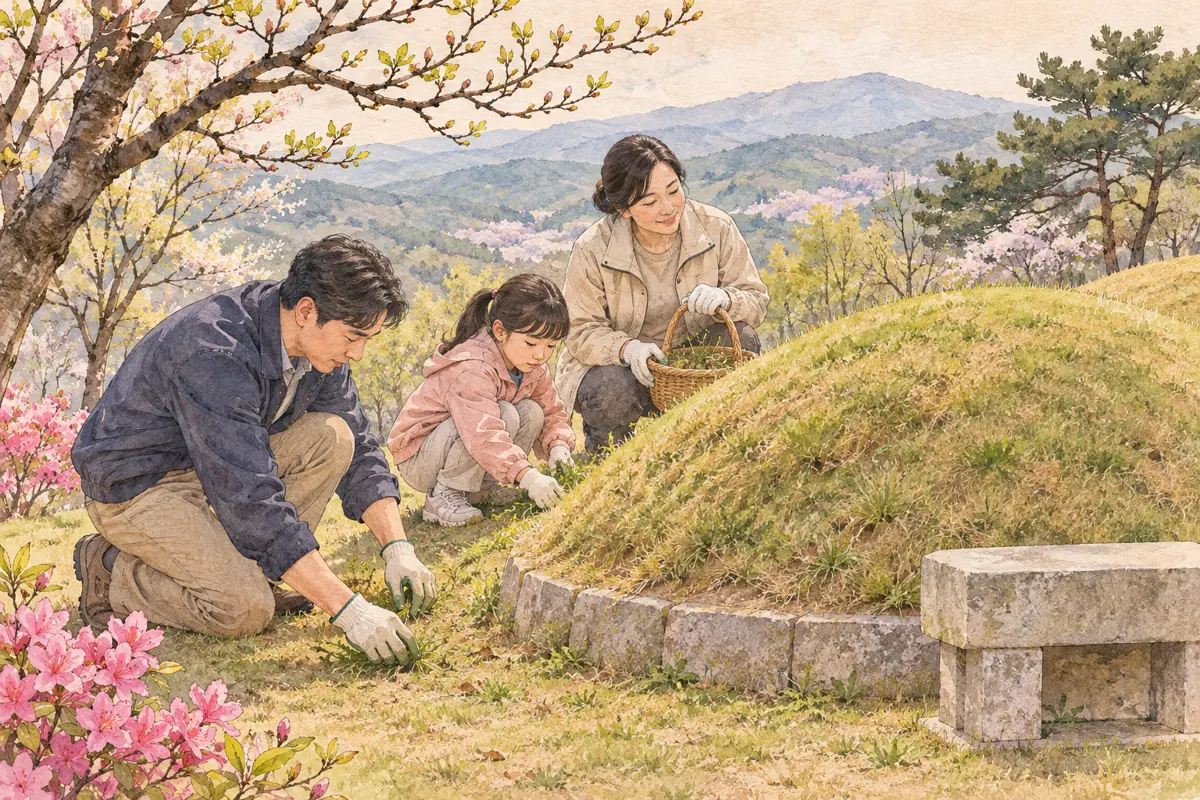
These traditional observances offer a different way to follow the year. Jeongwol Daeboreum, the first full moon of the lunar year, falls on lunar January 15. Hansik, associated with ancestral graves and the cold-food tradition, arrives in early April. Dano, lunar May 5, brings customs associated with the start of summer, including games and seasonal foods. Their names may appear in museum programs and regional festivals even though they are not nationwide days off.
For a closer introduction to the customs, Seoul’s overview of traditional celebrations is a useful starting point. Festival dates can extend beyond the traditional day itself.

Parents’ Day: May 8
Children’s Day is followed by Parents’ Day, a time to thank parents, often with carnations and gifts. It helps explain why May is frequently associated with family in Korea. Unlike May 5, May 8 is not a nationwide public holiday.

Pepero Day: November 11
The repeated ones in 11/11 resemble long biscuit sticks. That is the playful logic behind exchanging Pepero with friends, partners and colleagues. It is a commercial occasion, not a day off, and a small gift is the point rather than a complicated ceremony. Our Pepero Day article explains how to join in.

Suneung: the annual university entrance exam
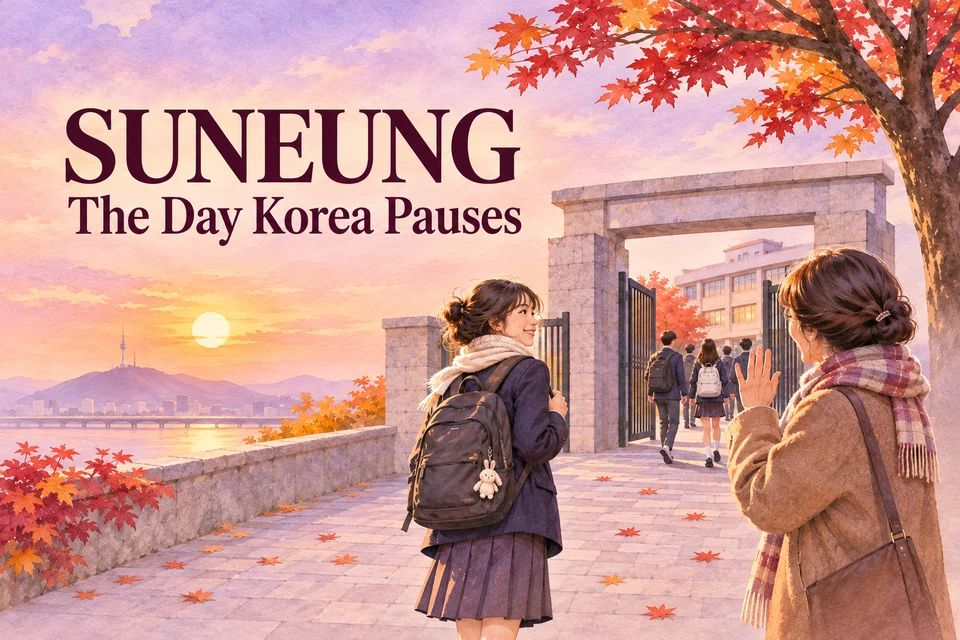
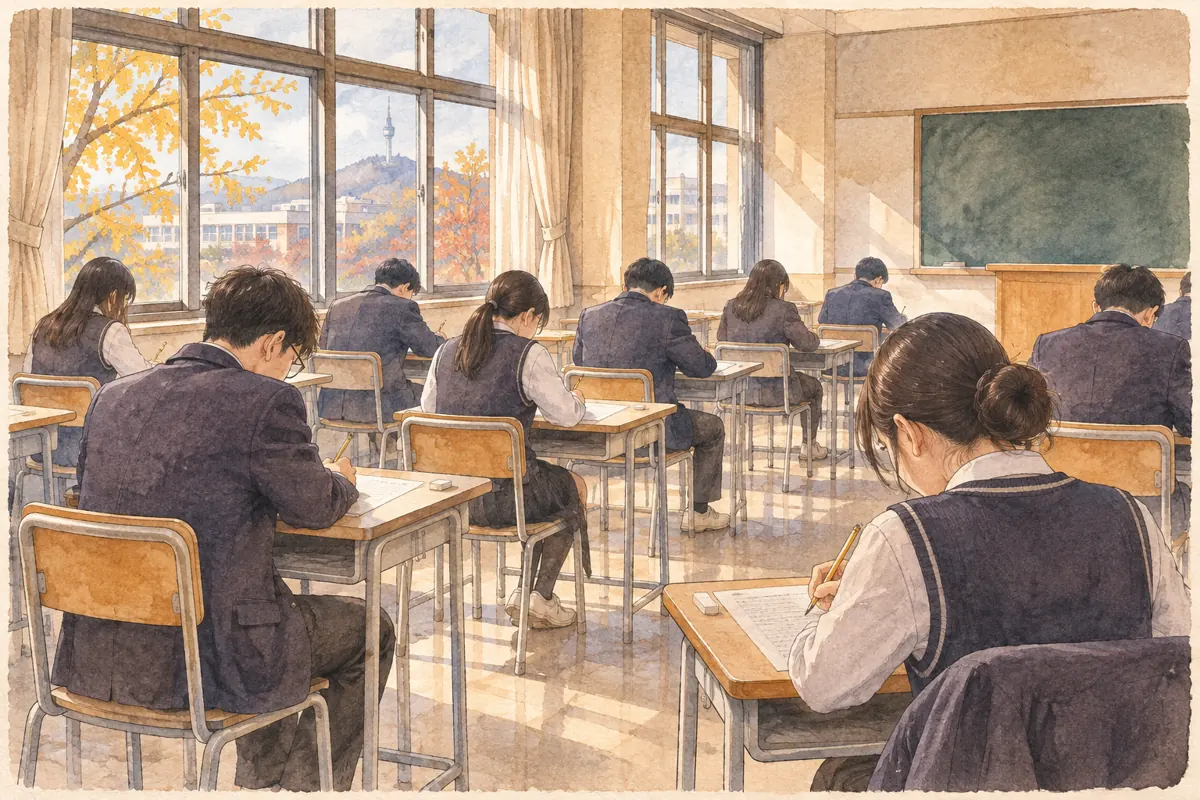
Suneung is not a holiday, but it can affect a visitor’s day. Transport and noise-control measures are arranged around the examination, and the annual instructions matter more than a generic list of holiday dates. If your trip overlaps the exam, check that year’s travel notices, especially when flying or heading out near a test center.
For this year’s practical details, read what Suneung 2026 changes for visitors.
Kimjang season and Kimchi Day
Kimjang is the shared work of preparing kimchi for winter, traditionally a late-autumn activity whose timing varies with region and weather. Korea also marks Kimchi Day on November 22. Neither means a nationwide shutdown. For visitors, the opportunity is cultural: look for an organized kimchi-making experience rather than expecting a single nationwide festival on one date.
Explore the history, regional varieties and shared work behind the tradition in our kimjang cultural deep dive.

Dongji: the winter solstice
Dongji marks the winter solstice in late December. Red-bean porridge, patjuk, is closely associated with it. It is a seasonal observance, not a public holiday, and a lovely example of how food can mark the passing of the year without a big public celebration.

How to plan a trip around Korean holidays
For Seollal and Chuseok, sort out your city-to-city route before polishing the restaurant list. Staying in one place can be much easier than moving across the country during the busiest family-travel days.
For a shorter public holiday, focus on the activities you actually need. A closed bank does not mean a closed museum, and an open shopping mall does not tell you whether a small restaurant will serve dinner. Check each venue’s own holiday notice.
Finally, let a celebration add something to the trip. A bowl of rice-cake soup, an evening under lanterns or a story about the Korean alphabet can be more memorable than squeezing in one more attraction. The calendar is not just an obstacle to plan around. It is another way into the country.
Sources and further reading
Korea Tourism Organization: public holidays; Korea AeroSpace Administration: 2027 official calendar announcement; Seoul Metropolitan Government: traditional celebrations.