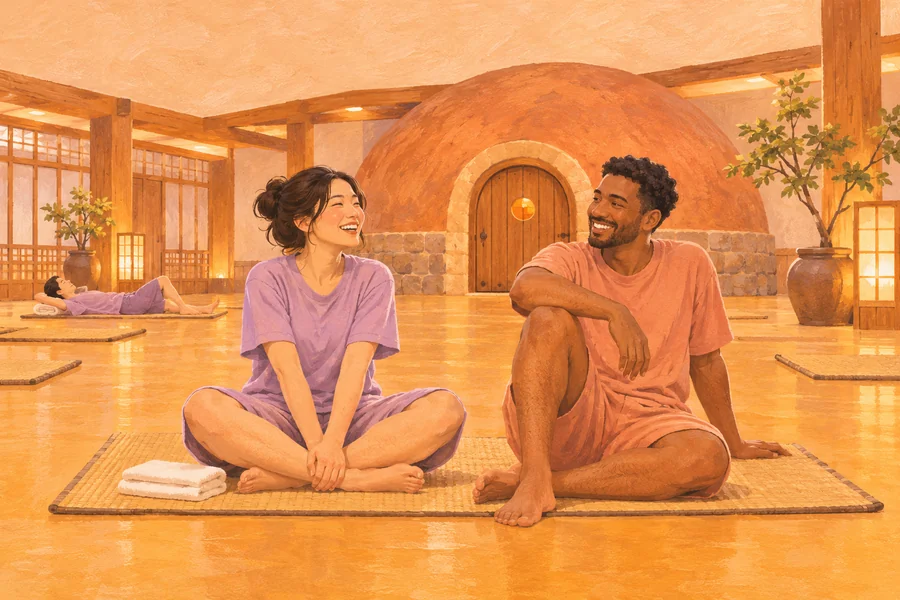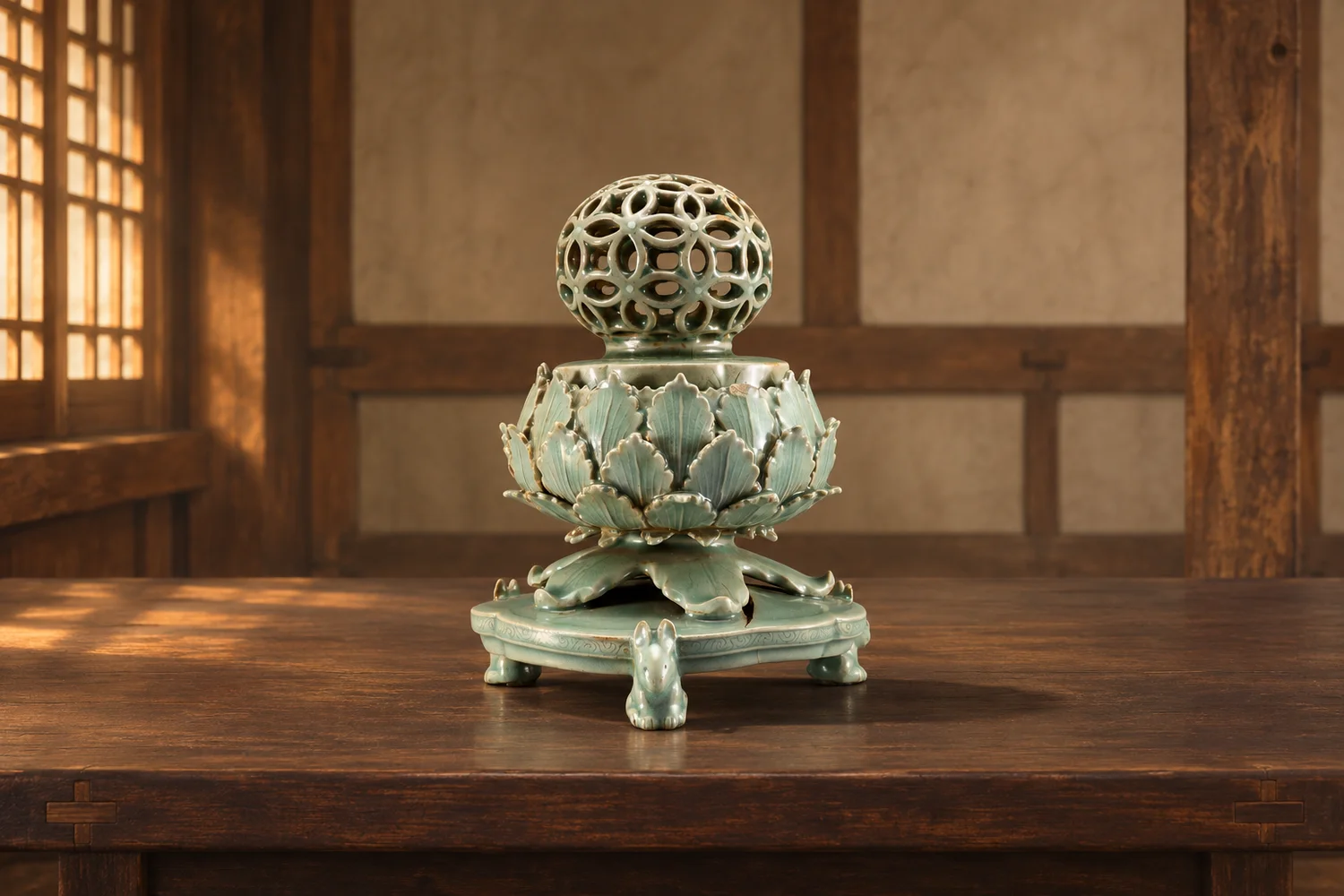
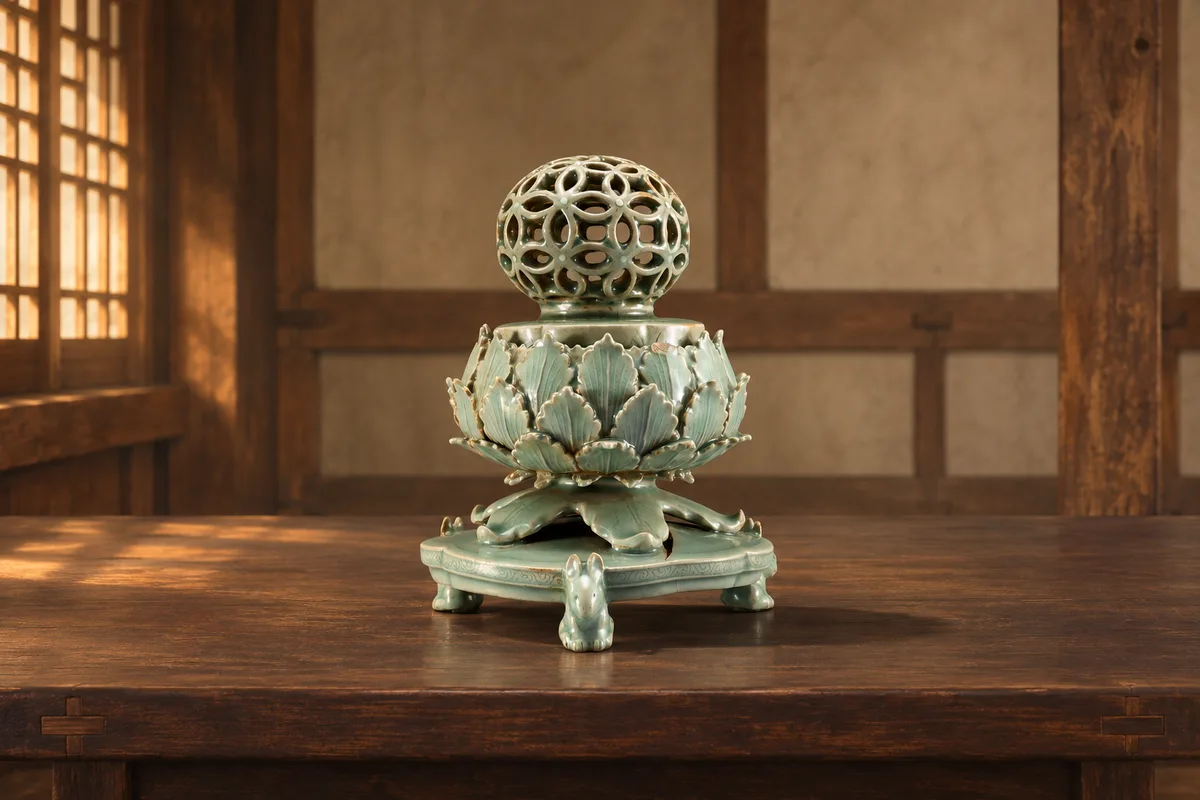
Cover: AI-edited presentation of Celadon Incense Burner with Openwork Design (twelfth century) in an imagined Goryeo interior. Source: National Museum of Korea, KOGL Type 1.
A marble pagoda, a thoughtful bronze figure and a tiny incense burner held up by rabbits. Start with these three objects for a manageable introduction to Korea's history and craftsmanship.
A first visit to the National Museum of Korea can easily become an overambitious afternoon. You arrive intending to understand centuries of history, then find yourself moving from one label to the next without remembering much.
We suggest a smaller first visit: three objects on three floors, with enough background to understand why each deserves a stop. The route moves from a temple monument to Buddhist sculpture and then to Goryeo ceramics. It follows the building rather than a timeline.
Allow around 90 minutes once you are inside, with extra time for arrival, any queues and anything else that catches your interest. That is our planning suggestion, not a timed museum tour.
Check this before your visit
As of November 5, 2026, parts of the museum are undergoing renovation through January 28, 2027. The affected spaces include the third-floor Buddhist Sculpture and Metal Crafts galleries and selected second-floor galleries.
The route below uses the separate Room of Quiet Contemplation on the second floor and the Celadon Gallery on the third floor, rather than the closed Buddhist Sculpture Gallery. The museum's current listings show the three featured objects, but displays can change. Check the official gallery notice before setting out.
First floor and the Gyeongcheonsa pagoda
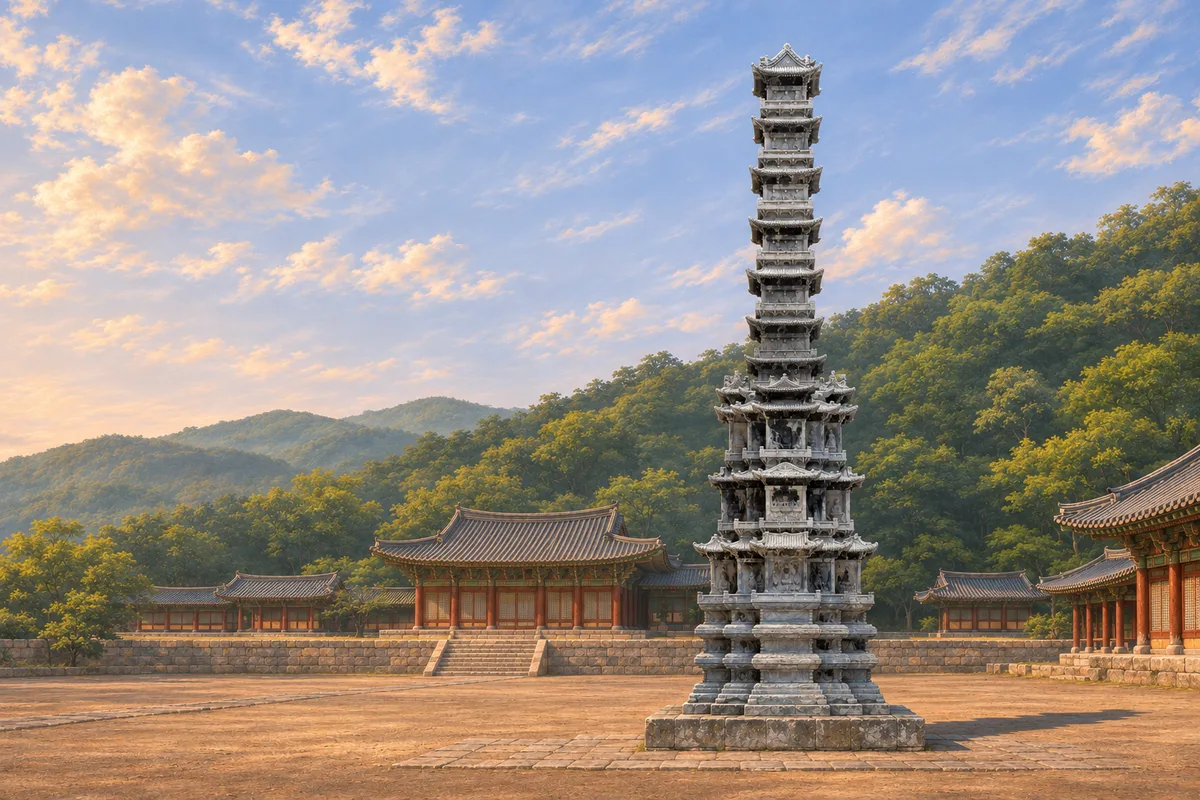
Find it: Path to History. The full name is Ten-story Stone Pagoda from Gyeongcheonsa Temple Site.
This marble pagoda was built in 1348, during the Goryeo dynasty, for a temple in the Kaesong area, now in North Korea. Its carved surfaces turn a large stone structure into something much more intricate: miniature roofs, railings, brackets and Buddhist figures. Details imitate features of wooden buildings. The museum's pagoda record
The changing shape also tells you something about the world in which it was made. The complex lower stories reflect Mongolian and Tibetan pagoda forms, while the square upper stories draw on Korean stone-pagoda traditions. The patrons had connections to the Yuan imperial family. The museum presents it as evidence of cultural exchange, rather than a design developed in isolation. The museum's visitor trail
It is a useful first stop because you can understand two things at once: the scale of a Buddhist monument and the patient work that went into its smallest architectural details.
Second floor and the Pensive Bodhisattva
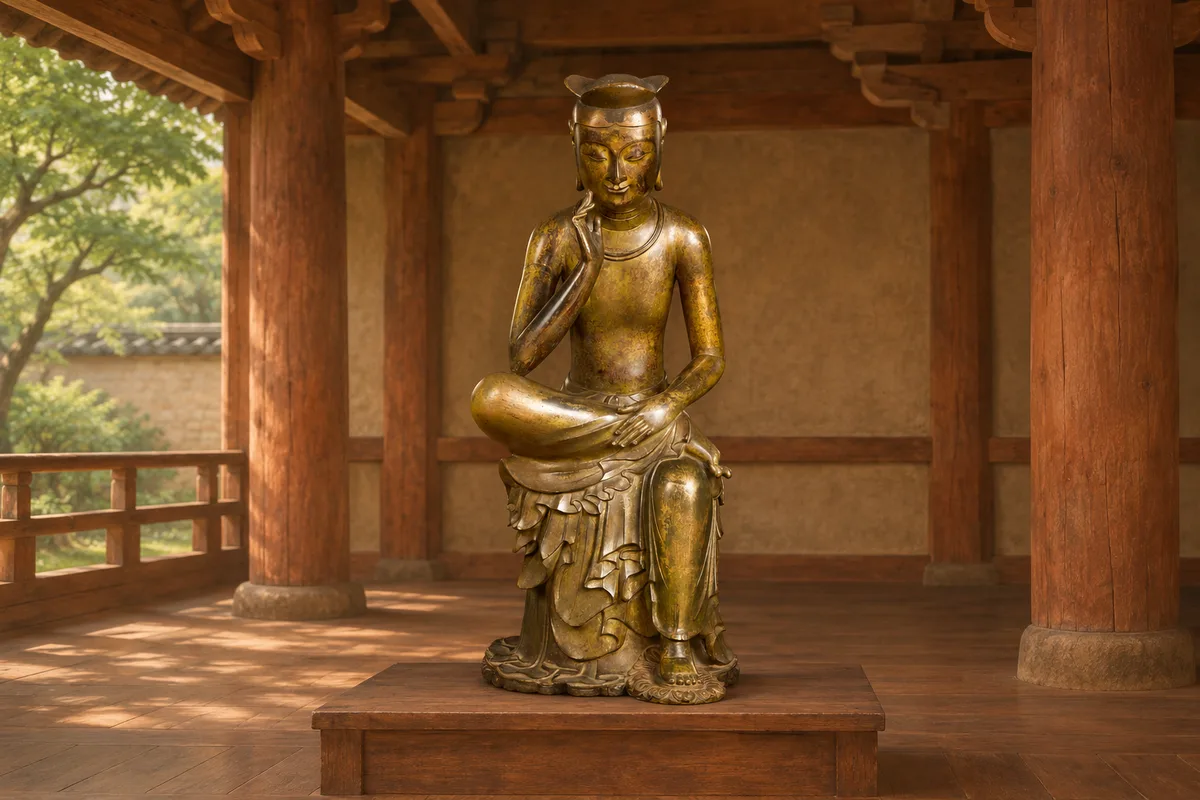
Find it: Room of Quiet Contemplation. There are two statues here; this section focuses on the early-seventh-century figure with a simple crown, a bare upper torso and flowing folds below the knees.
The pose is immediately recognisable. One leg rests across the other knee, fingers touch the cheek and a slight smile softens the face. The figure is made of gilt bronze, meaning bronze covered with a layer of gold. Its restrained crown and necklace leave the posture and expression easy to see. The current exhibition label
The pose has a long Buddhist history. It developed from images of Prince Siddhartha in thought before becoming the Buddha, and became especially popular in Korea during the sixth and seventh centuries. This statue belongs to the Three Kingdoms period. The museum's collection record
The two figures make this more than a stop at one famous object. Their different crowns and treatment of clothing show that a shared religious pose could produce distinct sculptures. Give the room some time rather than treating it as a quick photo stop, and keep voices low for other visitors.
Third floor and the celadon incense burner
Find it: Celadon Gallery, Room 303. Look for the label Celadon Incense Burner with Openwork Design.
After the pagoda, this object offers a striking change of scale. It is just 15.3 centimetres high, with a rounded pierced lid, a lotus-shaped body and a pedestal supported by three small rabbits. Incense burned inside the body, with smoke passing out through the openings above. The museum's Korean object record
Made during the twelfth century, it belongs to the Goryeo period's celebrated ceramic tradition. Celadon refers to ceramics known for their green-toned glaze. Here, that glaze covers a surprisingly complicated structure rather than a simple bowl or bottle. Academy of Korean Studies entry
The decoration combines techniques including carving, openwork, inlay and modelling. “Openwork” means cutting openings through the material, as in the lid; “inlay” means filling a recessed design with a contrasting material. Tiny white dots and the rabbits below reward a closer view of the real object. The museum's gallery explanation
It is a good place to finish: a practical function transformed by extraordinary ceramic skill, with enough character in those little rabbits to remain memorable long after the visit.
Getting there and planning your time
The museum is at 137 Seobinggo-ro, Yongsan-gu, Seoul. Use Ichon Station, served by Line 4 and the Gyeongui–Jungang Line, and follow the museum directions by Exit 2. The Museum Nadeulgil underground passage connects the station and museum. Allow time for the approach to the exhibition building. Official directions
Open the museum on a map: Naver Map or Google Maps. Both links point to the National Museum of Korea (국립중앙박물관) at the address above.
The permanent exhibitions are free. Some special exhibitions have separate admission charges.
Current opening hours are:
- Monday, Tuesday, Thursday, Friday and Sunday: 9:30 a.m. to 5:30 p.m.
- Wednesday and Saturday: 9:30 a.m. to 9 p.m.
- Last admission: 30 minutes before closing.
The museum closes on January 1, Lunar New Year's Day and Chuseok. The permanent and special galleries also have a quarterly closure on the first Monday of March, June, September and December. For the next scheduled date, avoid Monday, December 7, 2026. Official visitor information
Start with the pagoda, go up to the Room of Quiet Contemplation, then continue to Celadon 303. Ask at the information desk for help finding the lift route if stairs are unsuitable. There is no need to add another gallery unless you still have the energy for it.
A few practical details
Leave snacks and drinks outside the exhibition galleries. Follow any photography signs: the museum prohibits flash, tripods, selfie sticks and gimbals, and commercial photography needs advance written permission. There are lockers and free coat storage, which can make a November visit more comfortable. Museum visitor guidance
If the ceramics are your favourite part, spend your remaining time nearby. If the bronze figure stays with you, there is no obligation to replace that quiet moment with five more rooms.
For a broader introduction to Korean art and other museums to explore, continue with our guide to RM's interest in art and where to discover Korean art yourself.
Visitor information and display listings checked November 5, 2026. Check current museum notices for closures, loans and display changes before travelling.
Sources and further reading
- Celadon Incense Burner with Openwork Design
- KOGL Type 1
- official gallery notice
- The museum's pagoda record
- The museum's visitor trail
- The current exhibition label
- The museum's collection record
- Pensive Bodhisattva
- Academy of Korean Studies entry
- The museum's gallery explanation
- Official directions
- Official visitor information
Related Korea Unboxed reading
Prepared with AI assistance, checked against the linked sources and independently reviewed by an AI reviewer. Publication decisions remain with PIN-AGENCY KOREA.