
Before acting: This guide provides general information, not legal advice. The author is not a lawyer. Rules and options depend on your circumstances; consult a qualified Korean attorney or the relevant official service about a specific case.
Why Visa Status Matters More Than You Think
Permission to work depends on your residence status and its conditions. Some statuses allow broader work than others; a job-specific permission is not a licence for every side project.
This means that even minor or occasional paid activities can be illegal if they fall outside your visa’s scope. For example, a person legally employed full time may still violate immigration law by taking on private side work without authorization. Similarly, students or visitors may assume that small freelance or online work is acceptable, when in many cases it is not.
An occasional or informal project can still raise immigration issues. Consequences depend on the activity, status and facts, so do not rely on small size as an exemption.
Common Visa Types and What Work They Allow
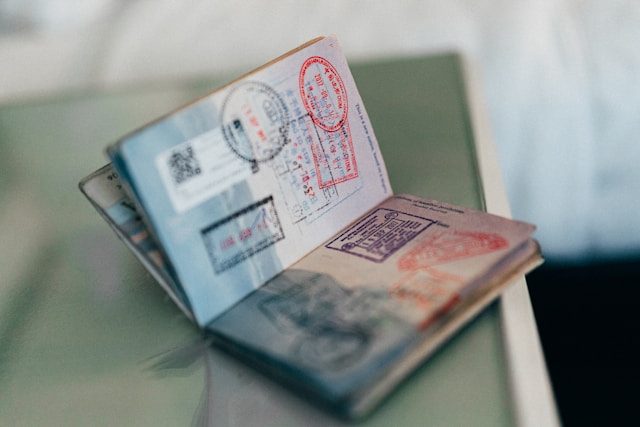
E-2: foreign-language instruction
The E-2 visa is issued to foreign nationals teaching a foreign language, typically English, at approved institutions such as public schools or private academies known as hagwons.
E-2 work must fit the permitted teaching activity. An additional or changed workplace may involve permission or reporting; confirm your procedure before starting.
This is an area where misunderstandings are common. Some teachers assume that private lessons or informal tutoring are acceptable if done casually, but without prior approval, this can be considered unauthorized employment.
E-6 (Entertainment Visa)
E-6 covers specified arts and entertainment activities. It is not a universal “influencer visa”; eligibility, sponsorship and approved activity must fit the real project.
This visa category is tightly regulated due to past concerns about exploitation and misuse. Work is typically restricted to activities defined in the contract submitted during the visa application process, and employers must meet specific requirements.
Describe the actual role accurately. Relabelling unrelated work as a performance or modelling appearance does not make it authorised.
Owning an interest in a business and working in it are separate questions. Ask immigration about both before relying on a status for a business plan.
D-4 (Language Training Visa)
The D-4 visa is primarily for individuals enrolled in language training programs in Korea.
Work is not automatically permitted. Students must meet eligibility requirements, such as a minimum period of study and satisfactory attendance, before they can apply for part time work authorization. Even then, there are hourly limits and restrictions on the types of work allowed.
Unauthorized employment, even if part time or informal, is a violation of visa conditions.
D-2 (Student Visa)
The D-2 visa is issued to students enrolled in degree programs at Korean universities.
Like the D-4 visa, part time work is possible but requires prior approval from immigration authorities. There are limits on working hours during the academic term, and certain types of work may be restricted depending on the student’s level of study and language proficiency.
Working without permission, exceeding hour limits, or engaging in restricted industries can result in penalties.
H-1 (Working Holiday Visa)
The H-1 visa offers more flexibility than most other visa types. It allows young people from eligible countries to travel and work in Korea for a limited period.
However, this flexibility is not unlimited. Certain types of work, particularly those considered inconsistent with the program’s purpose, may be restricted. The primary intent of the visa is cultural exchange rather than full time or long term employment.
As with other visas, specific conditions still apply, and not all forms of work are automatically permitted.
Other Visas
Other visa categories exist, including professional, business, and residency visas. Each has its own rules regarding employment. In all cases, work permission is defined by the visa type and is not assumed.
A key point across all categories is that work authorization is often conditional. Many visa holders must obtain prior approval before engaging in part time or additional work.
Working on a Tourist Visa (What’s Actually Legal)
Tourist status, whether through visa free entry or a short term visa, does not permit employment in South Korea.
This includes paid work of any kind, freelance or contract work connected to Korean clients, and gig or platform based work such as delivery or service jobs.
If you are paid for work connected to Korea while on a tourist status (yes, including influencer related work), you are likely violating visa conditions.
Do not treat remote work as a self-executing exemption. Explain your employer or clients, duties, location and stay plans to immigration and confirm the appropriate status.
Why another creator’s experience is not permission
A social-media post does not reveal someone’s residence status or project permissions.
Check your own conditions against the actual role and workplace. Articles 18, 20 and 21 of the Immigration Act address employment, additional activities and workplace changes.
Avoid repeating unverified crackdown stories or supposed enforcement gaps as practical guidance.
Official notices can explain a policy; ask the relevant authority how administrative requirements apply to your proposed activity.
High Risk Areas: Influencing, Modeling, and Entertainment Work
Certain industries present higher risks for foreigners because they often blur the line between informal activity and legally defined work.
Modeling, influencing, and entertainment related activities are common examples. These may include paid photoshoots, brand promotions or sponsorships, social media content created for Korean businesses, and acting or appearance roles.
Even if these opportunities seem casual or short term, they are often considered work under Korean law when compensation is involved.
The challenge is that these opportunities can appear legitimate. A foreigner may be approached by a brand or agency and assume that participation is acceptable, especially if others are doing similar work. However, without the appropriate visa or authorization, these activities can violate immigration rules.
The risks include fines, visa cancellation, deportation, and potential restrictions on re entry. These consequences are not hypothetical. They are part of the legal framework governing immigration compliance.
Service-for-Promotion Deals: When “Free” Compensation Is Still Work

A situation that causes frequent confusion involves brands offering free products or services in exchange for promotion. This is common in industries such as beauty, fashion, fitness, and hospitality. For example, a business may offer free skincare treatments, clothing, meals, or hotel stays in return for social media posts, photos, or online exposure.
A benefit exchanged for promotional work can raise permission questions even when no cash changes hands. The full arrangement and your status matter.
If a person receives a benefit, such as free services or goods, in exchange for promoting a business, this can still be considered compensation. In that case, the activity may fall within the definition of work or economic activity. If the individual’s visa does not permit that type of work, or if prior authorization is required and not obtained, it may be treated as a violation of visa conditions.
The legal classification of these arrangements is not always clearly defined in publicly available guidance, especially in cases involving small scale or informal exchanges. However, immigration authorities generally focus on the substance of the activity rather than how it is labeled. Calling something a “collaboration” or “gift” does not necessarily change its legal nature if there is an expectation of promotional output.
This creates a risk for foreigners who are approached by brands. Some businesses may present these offers as harmless or routine, especially if they have worked with other foreigners in similar ways. In some cases, there may be an implicit understanding that the influencer will provide content in return, even if the agreement is not formalized in writing.
From the perspective of the visa holder, the responsibility remains the same. Accepting non-cash benefits in exchange for promotional work can still raise compliance issues if it falls outside the permitted scope of their visa.
There is also a practical imbalance in these arrangements. Influencers may feel pressure to accept unpaid or service-based deals to build experience or visibility, while businesses benefit from marketing exposure without providing formal employment or ensuring legal compliance. This does not automatically make the arrangement illegal in every case, but it does increase the likelihood of misunderstandings and potential violations.
Because of these uncertainties, it is important to approach such offers cautiously. Before accepting any form of compensation, including services or products, individuals should consider whether the activity could be classified as work under their visa conditions. When in doubt, confirming with official immigration sources is the most reliable way to avoid unintended violations.
How People Get Into Trouble (Realistic Scenarios)

For example, a student considering a paid modelling project should check that specific activity before accepting. Permission for one part-time job does not automatically cover another.
Do not use another person’s worker or delivery account to bypass eligibility checks. Confirm you can register and perform the activity in your own name.
A third situation involves an influencer accepting payment from a Korean brand for promotional content. While the work may seem informal, compensation tied to a Korean business can bring it within the scope of regulated employment.
In each case, the issue is not the scale of the activity but whether it aligns with visa conditions.
How to Stay Compliant
Staying compliant in South Korea requires a clear understanding of your visa conditions before engaging in any form of work.
This means reviewing the specific permissions attached to your visa and confirming whether additional approval is required. In many cases, part time or secondary work must be authorized in advance.
It is also important not to rely solely on what others are doing. Informal practices can be misleading, and widespread behavior does not necessarily reflect legal compliance.
When in doubt, consulting official sources such as the Korean Immigration Service or the HiKorea portal is the most reliable approach.
How to Verify Visa and Work Rules
One of the most reliable ways to avoid problems in South Korea is to verify information through official channels rather than relying on informal advice. Online forums, social media, and word of mouth can be helpful for general context, but they are not always accurate or up to date.
The most commonly used official resource is the HiKorea portal, which is operated by the Korean immigration authorities. It provides visa guidelines, application procedures, and notices about policy updates. In addition, local immigration offices can provide clarification on specific situations, especially when work authorization is unclear.
It is also important to confirm details directly with your sponsoring employer, school, or agency. However, their guidance should not replace official confirmation. In some cases, organizations may misunderstand the rules themselves or present them in a way that reflects their own interests.
Taking the time to verify information before accepting work can prevent complications later.
Policy Changes and Legal Uncertainty
Korean immigration policies are structured, but they are not static. Rules, enforcement priorities, and interpretation can change over time. Updates may be introduced through official announcements, internal guidelines, or shifts in enforcement focus.
Because of this, any general guide, including this one, reflects broad patterns rather than guaranteed outcomes in every situation. Readers should treat this information as a starting point and confirm relevant details before making decisions.
This is particularly important in areas that are not clearly defined in public guidance, such as certain types of online or cross-border work. When rules are unclear, caution is usually the safer approach.
Taxes and Income Reporting
Legal work in South Korea is typically tied to tax obligations. Employers are generally responsible for withholding taxes for formal employment, but the situation can vary depending on visa type and income structure.
For freelancers or individuals receiving non-standard forms of compensation, tax responsibilities may be less straightforward. In some cases, income earned in Korea may be subject to Korean tax law, even if payment is not made in Korea.
Tax residency status can also affect whether foreign income needs to be reported. This depends on factors such as length of stay and legal classification as a resident or non-resident for tax purposes.
Because tax rules can be complex, individuals earning income in Korea should consider consulting a qualified professional or reviewing official guidance from the Korean tax authorities.
Contracts and Common Red Flags

When working with agencies, brands, or sponsors in Korea, contracts play an important role. Even when opportunities seem informal, written agreements may still exist or be implied.
There are several common issues to watch for. Contracts that are not provided in a language you fully understand can create misunderstandings. Vague payment terms, unclear timelines, or undefined deliverables can also lead to disputes. In some cases, contracts may include restrictions that go beyond what is typical or necessary.
It is important to review any agreement carefully before committing. If possible, having the contract explained or translated can help ensure that expectations are clear on both sides.
The goal is not to assume bad intent, but to recognize that misunderstandings are easier to prevent than resolve.
Bridging the Gap Between Legal Access and Fair Work
A recurring issue for foreign influencers in Korea is the gap between what is legally required and what is practically available. On one side, informal work carries legal risk. On the other, formal pathways such as sponsored visas can involve restrictive or unclear conditions.
This gap is where many problems originate. Individuals may take risks because legal options feel inaccessible, or they may accept unfavorable terms because those options appear to be the only compliant route.
Recognizing this gap helps explain why both compliance and working conditions need to be considered together. A legal structure is necessary, but it should also be transparent and workable in practice.
A More Structured Path: Legal Options for Influencers
For influencers who want to work in South Korea in a compliant way, the core issue is not demand but legal structure. There is clear demand from Korean brands for foreign creators, particularly those with international audiences. The difficulty lies in aligning that work with a visa that allows compensation.
Check the category and approval that fit the actual work. E-6 can be relevant to eligible entertainment roles but is not the automatic answer for every social-media project.
An agent or brand cannot replace an immigration decision. Verify their role and proposed sponsorship before relying on it.
As a result, some influencers face a difficult choice between working informally and taking on legal risk, or entering into agency arrangements that may not be fully aligned with their interests.
For current PIN-Agency services, consult the company information page. This article does not offer sponsorship or legal representation.
Use 1345 or a qualified Korean adviser for immigration questions. Our social channels are for editorial and service enquiries.
As with any visa or employment decision, it is important to review terms carefully and ensure that any agreement aligns with both legal requirements and your own expectations.
Useful Official Links and Resources

If you are planning to work, study, or stay long term in South Korea, using official sources is one of the most effective ways to avoid confusion. The following resources are widely used by foreigners and are maintained by government agencies or official institutions.
Immigration and Visa Information
- Korea Immigration Service (Official Site)
This is the primary government website for immigration policy, visa categories, and official announcements. It is operated under the Ministry of Justice, which oversees visa issuance and enforcement. - HiKorea is the official immigration-services portal for appointments, applications and notices. Check the procedure for your status.
- Korea Visa Portal provides official category and application information.
Direct Support and Contact
- Immigration Contact Center (1345)
This is a government-run hotline that provides immigration support in multiple languages. It offers guidance on visas, residence status, and general compliance questions. - Local Immigration Offices
For case-specific issues, visiting or contacting your regional immigration office is often necessary. Many services require appointments, which are typically booked through HiKorea.
Study and Work Guidance
- Study in Korea (Government Portal)
This official site provides detailed guidance for students, including visa rules, part-time work permissions, and residency procedures. It also explains how work authorization connects to student visa conditions. - Working Holiday Information Center
This resource is helpful for those on H-1 visas. It includes information on eligibility, permitted activities, and general living guidance for working holiday participants.
Frequently Asked Questions
Can I work remotely while visiting? Do not assume visitor status covers the activity. Tell immigration what work you intend to perform, for whom and for how long, then confirm the appropriate status.
Does a product-exchange promotion require permission? It can raise work-authorisation questions. The deliverables, benefit and residence status need to be assessed together.
Can students do influencer work in Korea?
Students on D-2 or D-4 visas may be allowed to work part time, but only with prior authorization and within defined limits. Influencer activities tied to compensation may fall outside permitted categories unless explicitly approved.
If others do it, is it allowed? Their visible activity does not establish your permission. Ask about your own circumstances.
Conclusion
South Korea’s visa and labor system is structured and rule based. Work authorization is clearly defined, and deviations from those rules can result in legal consequences.
Most issues arise not from intentional wrongdoing but from misunderstandings about what is allowed. Informal work, side income, or short term opportunities may seem harmless, but they can still fall outside legal boundaries.
Understanding your visa and what it permits is essential if you plan to work or earn money in Korea. Making informed decisions at the outset can help prevent complications later.
Where to go next
For creator projects, pair this with evaluating unpaid collaborations and agreeing brand terms. The Korea Knowledge Catalogue brings the practical essentials together.
Sources and useful resources
Immigration Act, Articles 18, 20 and 21; Multilingual immigration guidance.
Sources checked: September 10, 2026.