If you’ve never lived in Korea before, stepping into a Korean apartment can feel slightly disorienting.
Nothing is completely alien, but a lot of small things are just different enough to throw you off.
It’s not about one big difference, but the accumulation of dozens of small design choices and habits that were shaped by climate, space, and lifestyle.
Once you understand the logic behind those choices, the whole system starts to feel more intentional than unusual.
The Floor Is the Heater
Many Korean homes use 온돌, or ondol, floor heating. Check the actual system because controls and heat sources differ.
Modern water-based floor heating warms the floor and the room above it. Ask the manager to explain the thermostat, hot-water controls and any away setting.
This system comes from older Korean housing, where heat from a kitchen fire would be routed under stone floors. Modern versions are far more efficient, but the habit of living closer to the ground stuck around.
Floor heating may respond slowly. Follow equipment instructions and learn the billing arrangement before prolonged high settings.
Space Is Used Differently
Apartments in Korea are often smaller than what many foreigners expect, especially in cities. But the difference isn’t just size, it’s how that space is used.
Rooms are more flexible. A single room might serve as a living room during the day and a sleeping area at night. Built-in storage is common, and unnecessary hallways are minimized. There’s less emphasis on separating spaces and more focus on making each square meter useful.
Compact homes often have flexible layouts and built-in storage. Assess the actual unit rather than assuming every household prefers the same arrangement.
At first, it can feel like everything is a bit tight. After a while, you start to notice how little space is actually wasted.
The Bathroom Is Meant to Get Wet
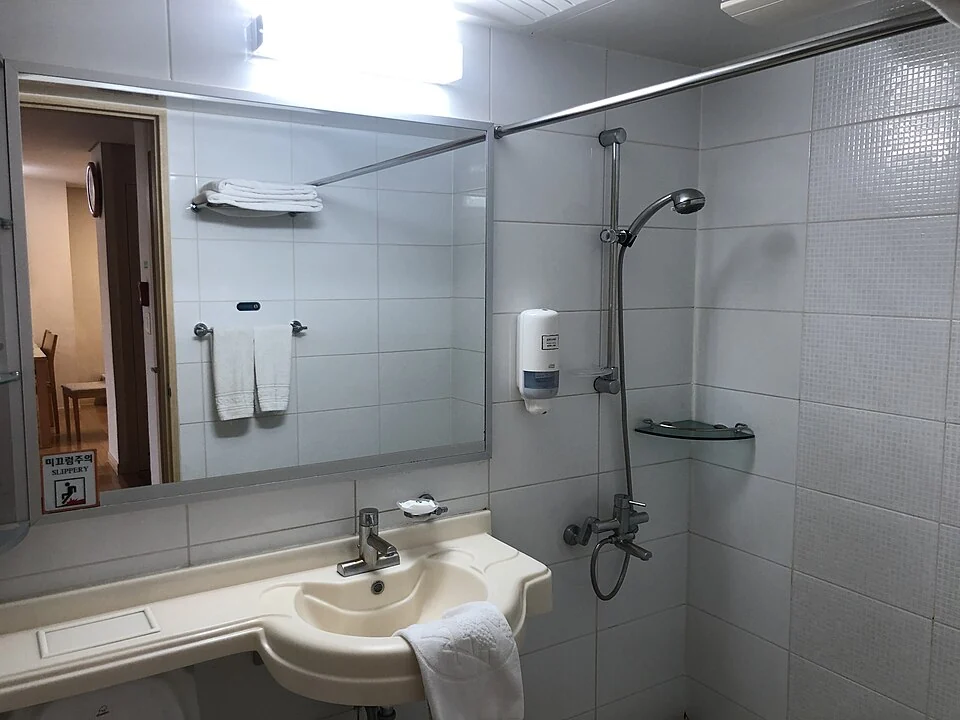
Korean bathrooms often surprise people because they don’t separate the shower from the rest of the room in the same way Western bathrooms do.
In many apartments, especially smaller ones, the entire bathroom is effectively a wet room. There may be a shower head attached to the wall with a drain in the floor, but no curtain or enclosed stall. When you shower, water can reach most surfaces.
A wet-room layout makes some cleaning easier, but do not spray electrical fittings or assume every surface takes unrestricted water. Keep drains clear and ask about ventilation.
The tradeoff is that you have to adjust your habits. Towels and toilet paper need to be kept out of the splash zone, and you may want shower slippers depending on the setup. It feels impractical at first, but it’s actually quite efficient once you get used to it.
Dryers Are Not a Given
Many Korean apartments either don’t have a dryer or have a small one that isn’t used as heavily. Instead, people commonly air-dry clothes on racks inside the apartment or on a small balcony.
When drying clothes indoors, ventilate appropriately and watch for condensation. A warm floor does not replace moisture management.
If you’re used to throwing everything into a dryer, this shift can feel inconvenient. But over time, it becomes routine, and some people end up preferring it for certain types of clothing.
Shoes Stay at the Door
The entrance area is called 현관, or hyeongwan. It is often lower than the living floor and provides space to remove outdoor shoes.
This isn’t just about cleanliness, although that’s a big part of it. Because people sit and sometimes sleep on the floor, keeping outdoor dirt out matters more.
Most apartments have a built-in shoe cabinet near the entrance. Guests are expected to remove their shoes automatically, and indoor slippers may be provided.
If you forget the first few times, someone will usually remind you politely. After a while, it becomes second nature.
I have some funny memories about inviting Koreans to my apartment and telling them to keep their shoes on because in American culture we often walk through the house with our shoes. They were shocked.
Trash, Recycling, and Food Waste Are Strictly Managed
Trash in Korea isn’t something you can casually figure out as you go. It’s organized, enforced, and slightly confusing at first.
Many buildings require designated local general-waste bags. The approved bag, timing and disposal point depend on your address.
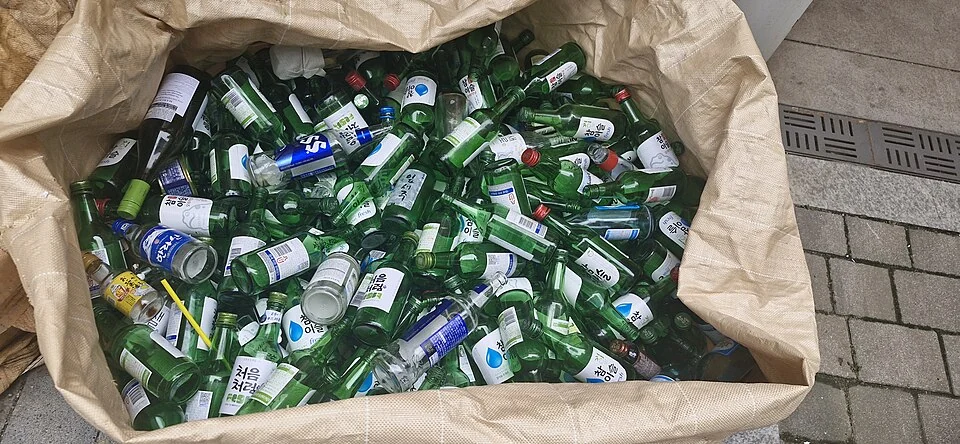
Recycling is separated more specifically than many people expect. Paper, plastic, glass, and sometimes even different types of plastic need to be sorted and placed in designated areas, usually outside the building or in a shared recycling room. Boxes often need to be broken down, and containers rinsed.
Food waste, called eumsik mul (음식물), is handled separately from everything else. Depending on the building, you might use special bags or a machine that weighs your waste and charges you a small fee. Liquids usually need to be drained before disposal, and not everything counts as food waste. Bones, shells, and certain scraps often go into regular trash.
I have learned disposal rules the embarrassing way. Do not count on a warning before a fine; check the rules from the start.
Building arrangements differ, but an untidy collection point does not cancel district rules. Our waste-sorting guide explains what to ask.
It can feel overly detailed at first, but the system is consistent once you learn it. Most of the confusion comes in the first week. After that, it becomes routine.
Buildings Are More Self-Contained
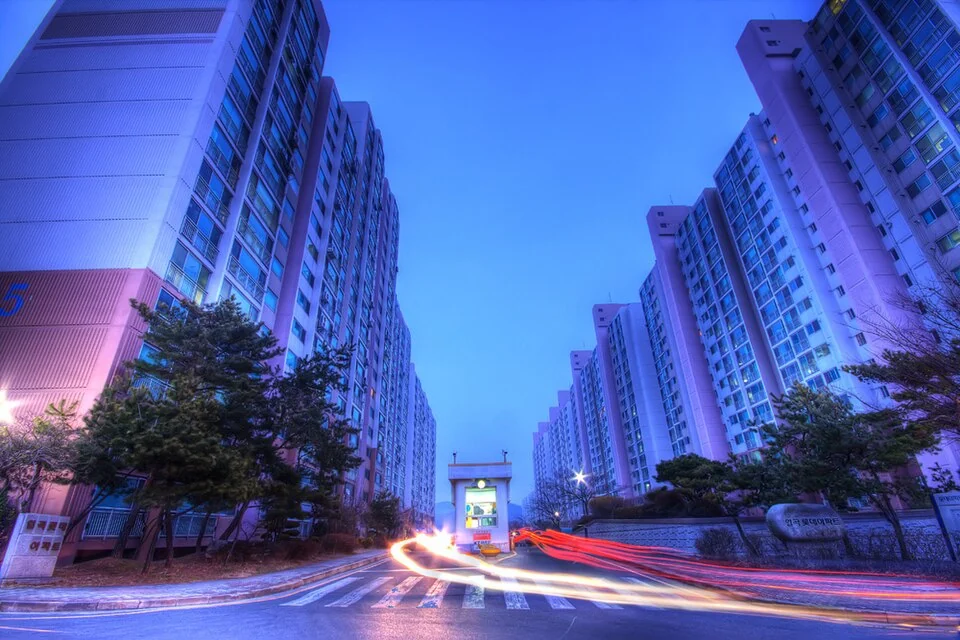
Apartment buildings in Korea tend to feel more like self-contained systems than just places to live.
Entry is usually controlled by a keypad or keycard system at the main door. Deliveries are often left in a designated area or require remote access from your unit. Elevators, parking, and even garbage disposal are integrated into the building’s design.
Security is a big factor here, but so is convenience. In larger complexes, you might have convenience stores, gyms, or small services within walking distance or even inside the complex itself.
Compared to some Western apartments, where buildings can feel more open or loosely managed, Korean apartments tend to feel more structured and controlled.
Bills Are Tied Into the Apartment Itself
Utilities in Korea are often more integrated into the apartment system than people expect.
Instead of setting up multiple separate accounts right away, many apartments will bill you monthly for things like electricity, water, gas, and building maintenance fees all together or in coordinated statements. This is especially true in officetels or managed buildings.
Heating and hot-water charges depend on the system and use. Ask whether heat is individually or centrally supplied and how it is billed.
Check how electricity is metered and billed. Do not infer a tariff from the building’s marketing description.
Maintenance fees, often called gwanlibi (관리비), are something many foreigners don’t expect. These cover things like building cleaning, elevator maintenance, security, and sometimes even basic internet or TV. The amount varies widely depending on the building.
Payment methods depend on the biller. Check the invoice reference; a specific payment app is not universally required.
The key difference is that your apartment isn’t just a private unit. It’s part of a managed system, and the bills reflect that.
Internet and Basic Services Are Usually Fast and Simple
One thing that tends to surprise people in a good way is how easy it is to get connected.
Some homes include active internet; others need a contract. Confirm the provider, price and installation arrangements.
Record meters and ask which accounts need changing at handover. Use the move-in day guide for a checklist.
The challenge isn’t the speed. It’s understanding what’s already included and what you still need to set up yourself.
Deliveries and Access Work Differently
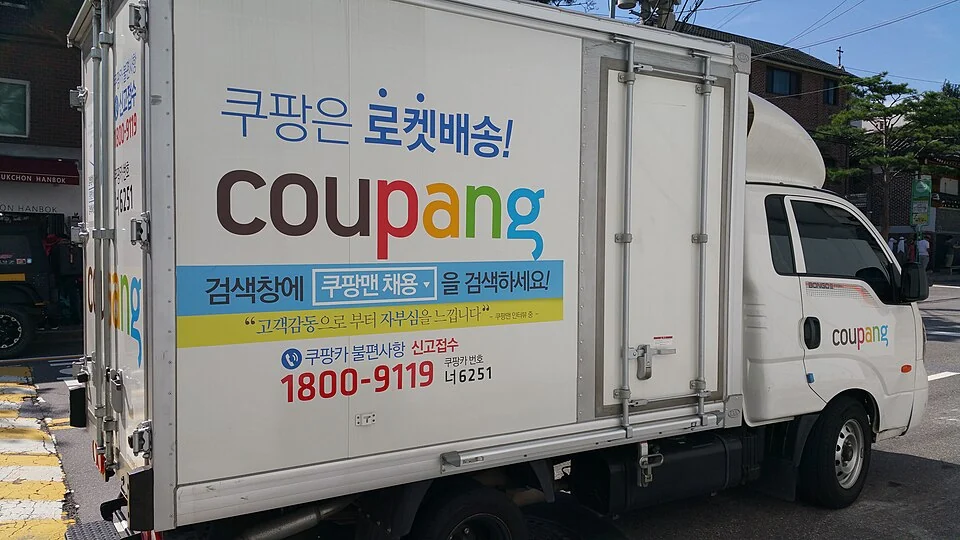
Korea’s delivery culture is extremely efficient, but the way it works inside apartment buildings can feel unfamiliar.
Delivery may be to your door, a lobby, locker or meeting point. Confirm the address and access arrangement.
Many buildings have keypads to limit entry to residents, so you’ll often get a call from the delivery driver if you haven't put the keycode in a delivery note already, and you’re expected to quickly confirm or grant access.
Unattended parcels are not guaranteed to stay safe. Use the designated process and collect them promptly.
Keep tracking details and delivery photographs for a missing order, then contact the retailer or courier. Translation help can ease the conversation.
Parking Can Be Tight and Structured
If you plan to have a car, parking is something to pay attention to early.
Spaces in apartment complexes are often limited, and some buildings require registration for your vehicle. In tighter areas, you might see double parking systems where cars block each other and need to be moved when someone leaves.
In older buildings, parking can feel improvised. In newer complexes, it’s usually more organized, sometimes with underground garages and assigned areas.
If you don’t have a car, this won’t affect you much. But if you do, it’s one of those things that can become a daily annoyance if you’re not prepared for it.
Conclusion
None of these things are individually difficult. The challenge is that they all show up at once when you first move in.
You’re learning how to separate trash, how to pay bills, how to receive deliveries, and how to use building systems all at the same time. That’s where most of the initial friction comes from.
Once those systems click, daily life becomes very predictable. Korea tends to run on clear, consistent rules. The hard part is just learning them early on.
Where to go next
Before choosing a home, compare jeonse and wolse and use the pre-deposit checks. The Korea Knowledge Catalogue brings the practical essentials together.