Before acting: This guide provides general information, not legal advice. The author is not a lawyer. Rules and options depend on your circumstances; consult a qualified Korean attorney or the relevant official service about a specific case.
Why “Collabs” Are So Common in Korea
In South Korea, it is very common for businesses, especially in beauty, fashion, and hospitality, to approach influencers with collaboration offers. These offers usually involve an exchange rather than direct payment. A brand might provide a free service, product, or experience in return for social media content.
For businesses, this is an efficient marketing strategy. It allows them to generate content and exposure without committing to a formal advertising budget. For influencers, especially those who are new or still building an audience, these offers can feel like opportunities to gain experience or credibility.
However, the imbalance becomes clearer when looking at how value is exchanged. The business is receiving marketing, content creation, and distribution. The influencer is receiving something that often costs the business significantly less than the perceived value presented.
Where the Value Gap Comes From

One of the biggest issues with these arrangements is how value is framed.
A brand may offer a service worth 200,000 KRW at retail price and present it as fair compensation. But the actual cost to the business may be much lower. At the same time, the influencer is expected to create content, post it to an audience, and effectively act as a marketing channel.
For newer influencers, this can be difficult to evaluate. There is often an assumption that any opportunity is worth accepting, especially when trying to build a portfolio or gain visibility. This is where many people begin accepting deals that do not reflect the actual value of their work.
This dynamic does not necessarily come from malicious intent in every case, but it does create a system where businesses benefit disproportionately from inexperienced creators.
How Inexperience Gets Taken Advantage Of
Many foreign influencers in Korea are new not only to influencing, but also to negotiating with brands. They may not have a clear sense of pricing, deliverables, or standard industry practices.
Inexperience can make an offer harder to judge. Examine exclusivity and urgency rather than treating them as proof that the deal is good or the brand is acting in bad faith.
In reality, exposure is difficult to measure and does not always translate into growth or income. Accepting repeated unpaid collaborations can lead to a situation where the influencer is consistently producing content without developing a sustainable model.
This is especially common among foreigners who are unfamiliar with both the local market and the legal framework around work.
Common “Collab” Scenarios

To understand how these situations play out, it helps to look at realistic examples.
A small cafe might offer a free meal in exchange for two Instagram posts and several stories. The influencer spends time traveling, filming, editing, and posting content, while the cafe gains promotional material and visibility.
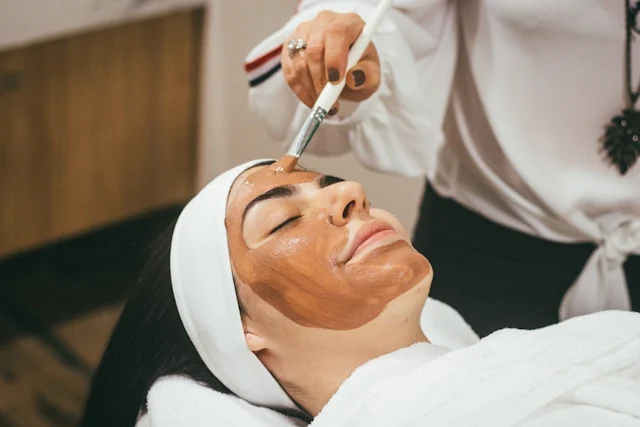
A skincare clinic might offer a treatment for a reel and photographs. Medical suitability comes first; advertising and image reuse also need explicit attention.
A clothing brand might send free items with the expectation of tagged posts. Over time, this can turn into a pattern where the influencer produces regular content without ever transitioning to paid work.
These scenarios are not unusual. They are often presented casually, which makes them seem low risk, but they still involve an exchange of value.
The Business Reality: When Free Is Not Really Free
From a business perspective, these arrangements are rarely neutral. Brands are making a calculation. They are assessing whether the cost of giving away a product or service is lower than the cost of paying for advertising.
In many cases, it is.
For influencers, the cost is less obvious but still significant. Time, effort, creative work, and audience trust are all being used. Repeated unpaid collaborations can also affect how brands perceive the influencer. If someone consistently accepts free deals, it can become harder to transition to paid work later.
This does not mean that all unpaid collaborations are inherently bad. In some cases, they may make sense, particularly at the very beginning. However, they should be approached as strategic decisions rather than automatic yes responses.
Legal Considerations: When “Collabs” Become Work
Beyond the business side, there is also a legal aspect that is often overlooked.
A project can raise work-permission questions even when the benefit is a product or service rather than cash. Calling it a “collab” does not establish an exemption.
If the influencer is on a visa that does not allow this type of activity, or requires prior approval, the arrangement may fall outside legal boundaries. This applies even if the collaboration is informal and even if no cash is involved.
Explain the deliverables, benefits, client and location to immigration. The answer depends on your status and the activity, not just the brand’s label.
E-6 is not a general permit for anyone making a brand video. Check your own status and proposed activity through Immigration Contact Center 1345 before accepting.
Why This Matters More for Foreign Influencers
Foreign influencers in Korea often operate with less information than local creators. Language barriers, unfamiliarity with regulations, and reliance on informal advice can all contribute to misunderstandings.
At the same time, they may be more appealing to certain brands because of their international audience or perceived uniqueness. This creates a situation where demand exists, but the structure around that demand is unclear.
As a result, some influencers end up participating in repeated unpaid or underpaid collaborations without realizing the long term impact. Others may unknowingly engage in activities that conflict with their visa conditions.
Content Ownership: What Happens to Your Work After the Post

One aspect that is often overlooked in unpaid collaborations is what happens to the content after it is created.
When an influencer produces photos, videos, or posts for a brand, that content has value beyond the initial upload. Businesses may reuse it for their own marketing, including reposting on official accounts, using it in advertisements, or placing it on websites and promotional materials.
A licence may be bundled with production or priced separately. Define where the content may appear, whether ads are included, and how long permission lasts.
An unclear agreement can leave both sides with different expectations. A free product does not automatically transfer unlimited ownership or image rights.
For newer influencers, this is rarely made explicit. The agreement may simply involve posting, without clarifying whether the brand can reuse the content elsewhere. Understanding this distinction is important, because content is not just a byproduct of the collaboration. It is one of the main assets being exchanged.
If content is used beyond what you agreed, keep screenshots, URLs, dates and messages. Our image and content rights guide explains how to prepare for a case-specific assessment.
The Anchor Pricing Effect: How Free Work Shapes Future Deals
Repeated unpaid collaborations can have a longer-term impact that is not immediately obvious.
When an influencer consistently accepts free products or services in exchange for content, it begins to establish a baseline expectation. Brands that discover or work with that influencer may assume that similar terms are acceptable in the future. Over time, this can make it more difficult to transition into paid work.
This effect is sometimes referred to as anchor pricing. The earliest deals set a reference point, even if they were accepted without much consideration. Once that reference point is established, changing it requires a deliberate shift in positioning and negotiation.
For influencers who are still building confidence or experience, this can create a cycle. Free collaborations lead to more free collaborations, not necessarily because the influencer lacks value, but because their value has not been clearly defined in monetary terms.
Breaking out of this pattern often requires turning down offers that do not align with long-term goals, which can be difficult, especially early on. However, recognizing how early decisions influence future opportunities is an important step toward building a sustainable approach.
When Free Collaborations Might Make Sense
While many unpaid collaborations are not balanced, there are situations where they may still be reasonable.
At an early stage, some influencers choose to accept a limited number of unpaid opportunities to build a portfolio or gain familiarity with content creation. In these cases, the focus is on developing skills, understanding workflows, and creating examples of work that can be shown to future clients.
A portfolio example or access to a relevant audience may be useful. Specify the benefit and how you will assess it; a recognisable name alone does not guarantee growth.
The key difference is intent. Accepting a free collaboration as a deliberate, short-term decision is different from accepting them repeatedly without a clear direction. Over time, a shift toward structured, compensated work is usually necessary for sustainability.
Approaching these decisions with a defined purpose helps prevent situations where unpaid work becomes the default rather than a strategic choice.
Common Pressure Tactics in “Collab” Offers
Collaboration offers are often presented in a way that emphasizes opportunity rather than negotiation. While not all brands intend to mislead, certain patterns appear frequently in how these deals are communicated.
Phrases such as “we don’t have a budget but can offer great exposure” are common. Others may suggest that “many influencers are happy with this arrangement” or that it is a chance to “build a long-term relationship.” Some offers imply that accepting an unpaid collaboration could lead to future paid work, although this is not always guaranteed.
These approaches tend to shift attention away from compensation and toward potential future benefits. For someone new to influencing, this framing can make it difficult to evaluate the offer objectively.
These phrases describe a possible benefit. Ask what is committed, what is speculative and what the present exchange will cost you.
Understanding these patterns makes it easier to step back and evaluate the offer based on actual value rather than perceived opportunity.
The examples below are prompts for evaluating offers, not evidence that every brand using a phrase intends to manipulate a creator.
“We Don’t Have Budget, But We Offer Exposure”
This is one of the most common approaches.
The offer is framed as an opportunity rather than a transaction. The brand emphasizes visibility, audience growth, or future potential instead of direct compensation.
The underlying issue is that exposure is difficult to measure and rarely guaranteed to translate into meaningful growth. Meanwhile, the brand still receives concrete value in the form of content and promotion.
“Other Influencers Are Happy With This”
This tactic introduces social pressure.
By suggesting that others have accepted the same terms, the brand implies that the offer is normal or fair. It can make the influencer feel unreasonable for questioning it.
However, what others accept does not define what is appropriate or sustainable. This framing shifts the focus away from the actual value of the exchange.
“This Could Lead to Paid Work Later”
Future opportunity is used to justify present unpaid work.
Brands may suggest that if the collaboration goes well, there will be paid opportunities in the future. In practice, this is often vague and not guaranteed.
Without clear terms, this creates a situation where the influencer takes on immediate work with no defined return, based on a possibility rather than a commitment.
“We’re Looking for Long-Term Partners”
This sounds positive, but it can be used to encourage acceptance of weak initial terms.
The implication is that agreeing to an unpaid or low-value collaboration now will lead to a stable relationship later. However, if the first interaction is unpaid, it often sets the tone for future expectations.
Long-term partnerships should still begin with clear and fair terms.
“It’s Just One Simple Post”
The effort required is minimized.
Brands may present the collaboration as quick or easy, suggesting it only involves a single post or short piece of content. This framing ignores the full process, which includes planning, shooting, editing, and publishing.
Reducing the perceived effort makes the offer seem more reasonable than it actually is.
“We’ll Give You a Premium Experience”
The value of the product or service is emphasized heavily.
For example, a brand may highlight that the service is “high-end” or “normally very expensive.” This is used to justify the lack of monetary compensation.
However, retail value is not the same as production cost. The business is still making a calculated trade, often at a lower internal cost than the stated value.
“This Is a Great Opportunity for Your Growth”
The offer is framed as developmental rather than transactional.
This approach targets newer influencers who are still building confidence. It suggests that accepting the collaboration is part of becoming successful.
While experience can be valuable, this framing can encourage repeated acceptance of unpaid work without clear progression.
“We’re a Small Brand / Startup”
This introduces a sympathy-based appeal.
The brand positions itself as limited in resources, implying that payment is not possible. While this may be true in some cases, it does not change the fact that the influencer is still providing value.
The responsibility for a company’s budget limitations is indirectly shifted onto the creator.
“We Can’t Pay Now, But We’ll Tag You”
The focus is placed on visibility rather than compensation.
Tagging is presented as a form of value, even though it is typically a minimal addition to the brand’s existing content strategy.
This reinforces the idea that attention is equivalent to payment, which is not always realistic.
“You’ll Get Free Products / Services Worth X Amount”
The offer is anchored to a stated value.
By assigning a high retail price to the product or service, the brand creates the impression of a fair exchange. However, this does not account for the influencer’s time, content creation, or audience access.
It also ignores the fact that the influencer cannot convert that value into usable income.
“We’ll Repost You on Our Page”
Content amplification is used as a selling point.
While reposting can increase visibility, it primarily benefits the brand by filling their content pipeline. For the influencer, the actual impact may be limited.
This tactic often overlaps with exposure-based framing.
“We Need This Quickly”
Urgency is introduced to limit negotiation.
By setting tight timelines, brands reduce the likelihood that the influencer will step back and evaluate the offer. Quick decisions tend to favor acceptance rather than careful consideration.
Urgency shifts the interaction from negotiation to compliance.
“It’s Just a Casual Collaboration”
The formality of the agreement is minimized.
This makes the arrangement feel low-stakes and informal, even when the expectations are clearly defined. It can discourage influencers from asking detailed questions about usage, duration, or compensation.
In reality, the brand often has clear expectations, even if they are not fully stated.
“We’ll Provide the Content Guidelines”
Control is framed as convenience.
Brands may present detailed instructions as helpful, but they also ensure that the influencer produces content aligned with the brand’s marketing goals.
This reinforces that the influencer is performing a structured service, even if it is not being treated as paid work.
“This Is Standard Practice in Korea”
Cultural framing is used to normalize the offer.
Foreign influencers may be told that unpaid collaborations are simply how things work locally. This can discourage them from questioning the terms, especially if they are unfamiliar with the market.
While these practices are common, that does not mean they are balanced or appropriate in every situation.
“We Can Only Work With You If It’s a Collab”
This can make the offer feel like an all-or-nothing decision.
The brand implies that payment is not an option, presenting the collaboration format as the only available path. This removes negotiation from the conversation entirely.
The budget may be fixed or there may be room to change the scope. Ask and decline if the available terms do not work for you.
“You’ll Build Your Portfolio”
Portfolio building is used as justification.
This is particularly effective on beginners who feel they need examples of work. While building a portfolio can be useful, it has diminishing returns. After a certain point, additional unpaid work does not significantly increase credibility.
Without a transition to paid work, this becomes a cycle rather than a stepping stone.
“Let’s Try This First and See How It Goes”
Commitment is delayed.
The brand avoids defining long-term terms by suggesting a trial collaboration. While this can be reasonable in some cases, it often results in the influencer providing value without any guarantee of continuation or improvement in terms.
Time and Effort: The Hidden Cost of “Simple” Collaborations
Unpaid collaborations are often framed as quick or easy, but the actual time investment can be significant.
Creating content typically involves planning, traveling to a location, filming or photographing, editing, and posting. Depending on the complexity, this process can take several hours or more. There may also be revisions or additional requests from the brand.
When viewed this way, a “free” product or service is not simply a benefit. It is part of an exchange that includes a meaningful amount of labor. The time spent on one collaboration is also time that cannot be used for other opportunities, including paid work or personal projects.
For influencers who accept multiple unpaid collaborations, this time cost accumulates quickly. What initially appears to be a low-effort exchange can become a significant commitment over time.
Recognizing the full scope of the work involved helps create a more accurate comparison between what is given and what is received.
Write down the hours, direct costs, deliverables, revisions and rights requested. Compare them with the benefit you want, then use our brand-outreach guide to propose a smaller scope or paid option.
A More Sustainable Approach
For influencers who want to take their work seriously, it becomes important to think beyond individual collaborations.
This includes understanding how to evaluate offers, when to decline, and how to transition toward paid work. It also involves being aware of legal requirements and ensuring that any compensated activity aligns with visa conditions.
A structured approach is not always easy to access, especially for foreigners. Many existing systems are not designed with independent creators in mind, which contributes to the reliance on informal deals.
This is part of the reason why there is growing interest in building more transparent and creator-focused structures within Korea.
Looking Ahead
There is a clear gap between how influencer work is currently handled and what a fair, compliant system would look like. Many creators operate in a space where expectations are unclear, compensation is inconsistent, and legal considerations are not fully understood.
These guides aim to make collaboration terms easier to evaluate. Verify any current support service through the PIN-Agency company information page.
Send editorial questions to Korea Unboxed on Instagram. Immigration permission and legal disputes belong with the relevant official service or qualified adviser.
Conclusion
“Collabs” and exposure-based deals are a normal part of the influencer landscape in Korea, especially at the entry level. However, they are not always as beneficial as they appear.
Understanding the difference between perceived value and actual value is an important step. So is recognizing when an arrangement crosses into work, both from a business and a legal perspective.
For many influencers, the challenge is not a lack of opportunity, but a lack of clear structure. Taking the time to evaluate offers carefully can make a significant difference over time.
Where to go next
Read working in Korea legally before accepting work that depends on your residence status. The Korea Knowledge Catalogue brings the practical essentials together.
Sources and useful resources
Immigration Act, Articles 18, 20 and 21; Immigration Contact Center 1345.
Sources checked: September 10, 2026.