“Feels illegal” is a playful description of unfamiliar habits, not legal permission. Follow the actual shop, building and public-space rules.
More Things in Korea That Feel Illegal (But Aren’t)
There’s a certain point where Korea stops feeling just “different” and starts feeling slightly unreal.
Not in a dramatic way. Just small moments where your brain pauses and goes, this probably wouldn’t fly back home.
And then you realize… in Korea, it's completely normal.
Trying designated shop testers
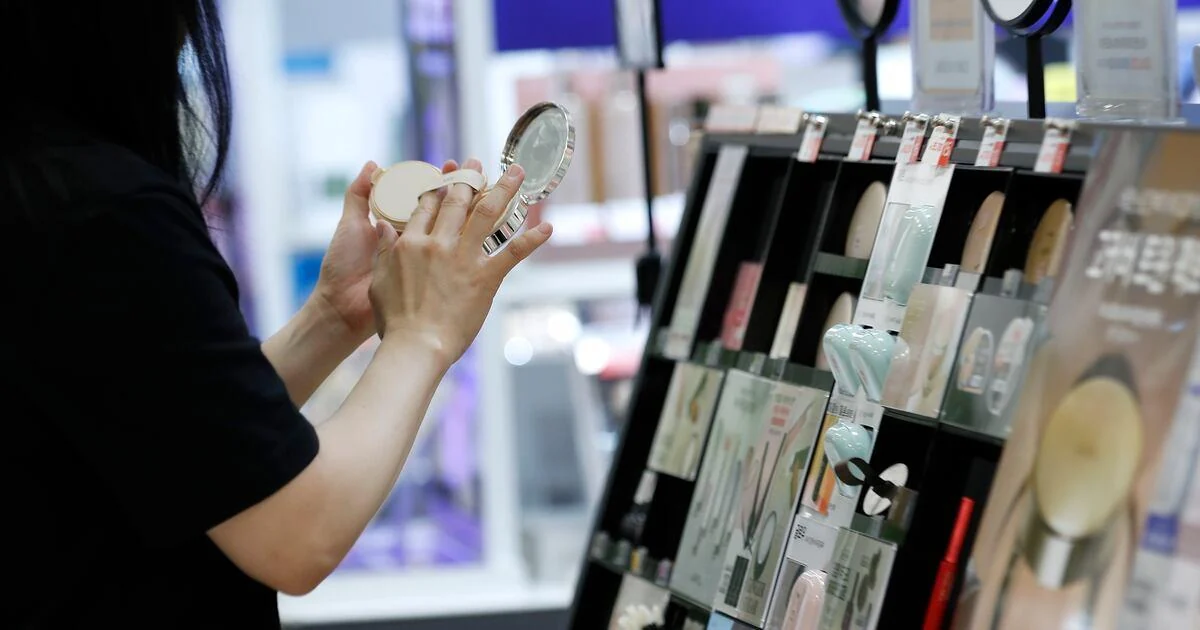
If you walk into Olive Young, the first thing you notice is how open everything is. Products aren’t locked away or heavily monitored. They’re just there, set up for people to try.
It’s normal to see someone standing at a mirror for a while, testing different things, taking their time before deciding what to buy, if they buy anything at all. No one really interrupts them or rushes them along.
It feels closer to how the Apple Store works, where the expectation is that you’ll actually use the products instead of just looking at them.
Ask staff which products are testers and follow the hygiene instructions. A display does not give permission to open sealed stock or apply any product however you like.
Getting Samples Doesn’t Feel Like a Transaction
There’s usually a moment where you’re handed a few samples and you expect some kind of follow-up. A pitch, or at least a bit of pressure to buy something.
Most of the time, that doesn’t really happen.
You can browse, pick up something small, and still leave with a few sample packets without it turning into a whole interaction. It feels low-pressure in a way that’s a little unexpected if you’re used to samples being tied closely to sales.
Deliveries Are Left Outside, and That’s Usually Fine
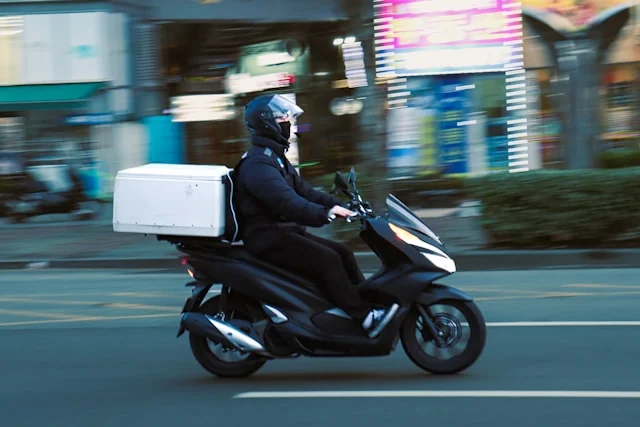
When something gets delivered, it’s often just placed outside your door and left there.
No signature (usually), no real handoff. Sometimes you won’t even notice it’s arrived until you check, though in the case of food deliveries you will get a photo and a text notification.
Parcels may be left in designated areas, but their safety is not guaranteed. Follow building instructions and collect them promptly.
For a missing parcel, contact the courier or retailer with the tracking number and delivery photo. Ask for translation help if needed.
Leaving Things to Hold Your Seat
In cafes, it’s normal to see a table with a phone or a bag sitting on it and no one around.
At first it looks like something was forgotten, but usually it just means the person stepped away for a moment and is coming back. The item is there to hold the seat.
Keep valuables secure even when other customers leave theirs unattended.
You can ask staff about a lost item, but do not assume they are watching every table or responsible for unattended belongings.
Public Spaces Tend to Stay Quiet
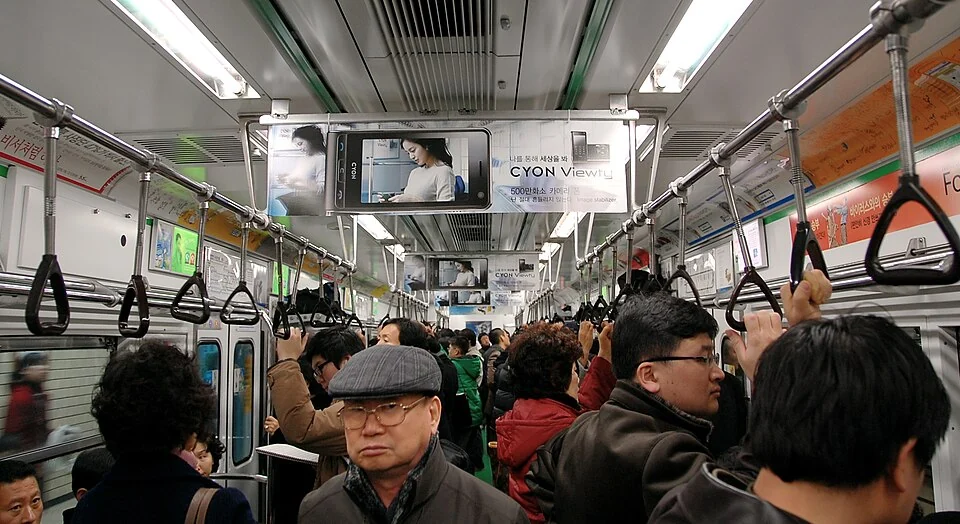
Even when it’s busy, public transportation doesn’t feel loud.
People keep their voices down, and most things that make noise stay contained to headphones. There aren’t many reminders or announcements about it. It’s just the general way people behave in shared spaces.
Public-space habits differ between people. Follow posted rules and keep sound at a considerate level.
A Lot of It Works Without Being Spelled Out
The common thread in all of this is that not much of it is enforced in an obvious way.
There aren’t always signs or staff directing people, but things still tend to run smoothly. People line up, follow the general flow, and take care of shared spaces without needing much instruction.
There will be arrows and X's to direct foot traffic in the subways, and a lot informational tape on the ground that helps you make sense of where to go.
It’s not perfect, but it’s consistent enough that it stands out if you’re not used to it.
Conclusion
None of these things are especially dramatic on their own.
It’s more the accumulation of them. You notice one, then another, and eventually it starts to feel like everyday life is running on a slightly different set of assumptions.
Once you get used to it, it stops feeling unusual. But at the beginning, it’s hard not to pause for a second and wonder how it all works as smoothly as it does.
Where to go next
Read part one of surprising everyday habits, checking cosmetics before buying and everyday etiquette differences. The Korea Knowledge Catalogue brings the practical essentials together.