The title is playful: an unfamiliar habit is not a legal rule. Check the venue’s policy and posted instructions before copying what others do.
If it’s your first time in Korea, there are a bunch of little moments where you kind of pause and think, “wait… is this okay?”
Nothing crazy, just small stuff that feels off because you’re not used to it.
Ironically, once you get used to it, you might wish you had the same convenience or innovation back home!
Here are some of the ones most people notice.
Leaving Your Stuff Unattended
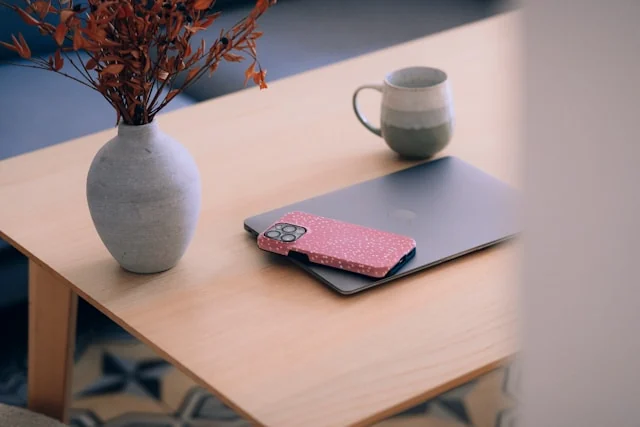
In a lot of places, leaving your laptop or phone alone at a cafe is a bad idea.
In Korea, people do it all the time.
They’ll leave their things at the table to save a seat, go order, or step out for a bit. Cafes, food courts, libraries… it’s pretty normal.
People sometimes leave belongings at a café table, but theft can still happen. Keep passports, phones and valuables secure.
It feels weird at first, but you get used to it quickly.
A habit of leaving items unattended does not establish how safe a particular place is.
Enjoy the relaxed atmosphere without treating other customers’ choices as a guarantee.
Pressing a Button to Call Staff
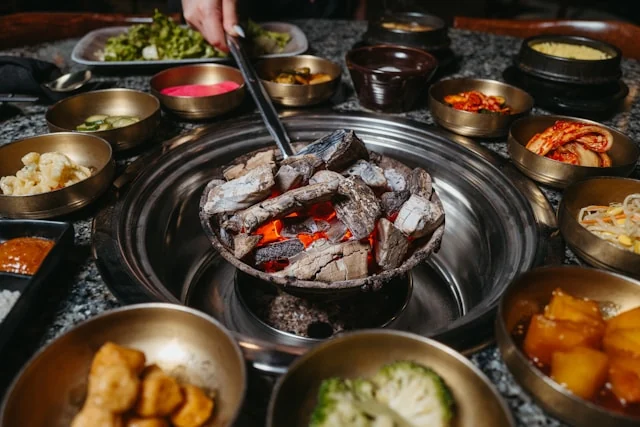
A lot of restaurants have a button at the table.
You press it, and someone comes over.
No trying to catch a server’s eye or waiting around. It’s simple and honestly pretty convenient once you try it.
If there is a call button, press it once and give staff time to respond. Otherwise attract attention politely.
Getting Scissors With Your Food
This one throws people off the first time.
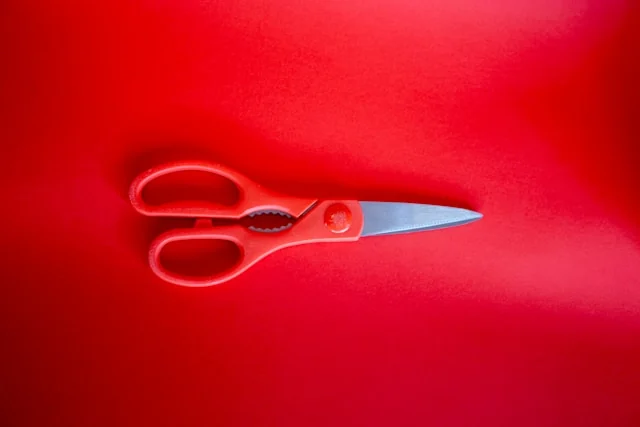
You’ll be eating and suddenly there are scissors on the table.
They’re used for cutting meat, noodles, even kimchi sometimes. It sounds odd, but it actually makes things easier in a lot of cases.
Ask a Korean what they are for if you're confused. They used scissors instead of knives for cutting.
In fact, there are few occasions where you'll be given a knife with your food, namely if you're ordering katsu or steak.
Scissors are used for just about everything else.
At first, this felt really alien to me, but once I got used to it, I found it much more convenient than using a knife.
No Tipping
If you’re coming from the U.S., this takes a second to adjust to.
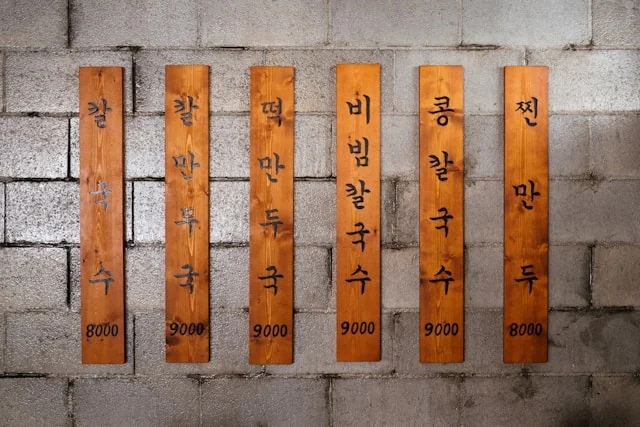
Tipping is not generally expected in ordinary Korean restaurants and taxis. Check any stated service charge or specialist tour arrangement separately.
Service is still good, it’s just built into the system differently.
The taxes are also calculated into the sales price, so you literally just pay for what you see.
Something that costs 10,000 won costs 10,000 won.
This is one of those things that you tend to miss about Korea after going back to the states. It's just... simple.
Calling Out to Staff
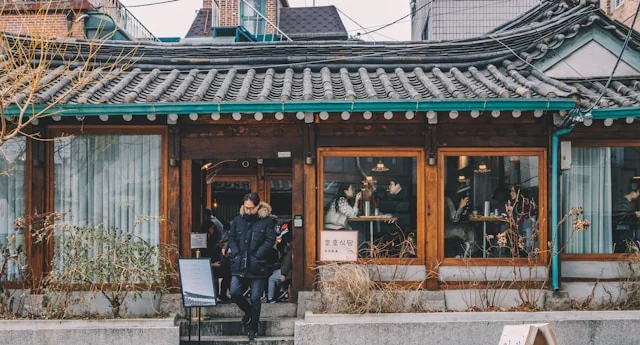
Instead of waiting quietly in a restaurant or cafe, people will just call out “저기요!” (Jeo-gi-yo!) to get attention.
It means "Over here!"
It’s not seen as rude, just a normal way to get service.
You don’t have to do it if you don’t want to, but you’ll hear it a lot.
Service style varies. Some restaurants bring everything to the table; others have self-service water, cutlery or side dishes.
Drinking in Public
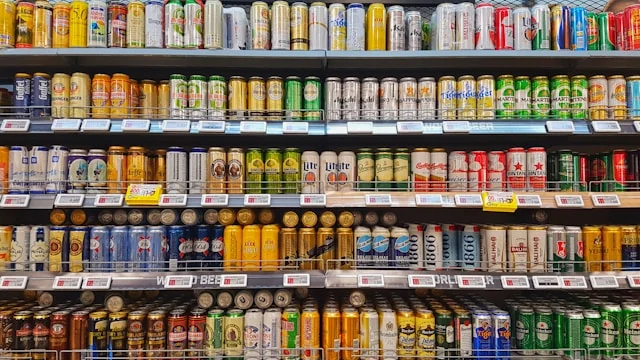
Outdoor drinking rules depend on the location. Look for alcohol restrictions and follow park or public-space signs.
Seeing others drink does not prove it is permitted everywhere or that disruptive behaviour is acceptable.
For a lot of visitors, that’s a bit surprising at first.
You'll also probably see some passed out drunks if you walk around nightlife districts late at night on the weekends.
You can be asked to stop or leave when rules are broken. Keep shared spaces comfortable for others.
Check the cinema’s outside-food policy
Some cinemas permit outside snacks and drinks, subject to their own rules.
Check the cinema branch’s food and drink policy before bringing anything in.
Do not assume permission for ordinary snacks also includes alcohol.
As an American, this really felt illegal the first time.
Ask the venue when the policy is unclear and respect the answer.
Quiet Public Transport
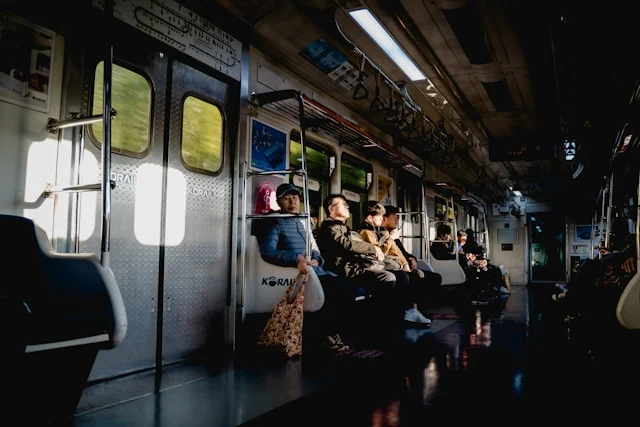
Subways and buses tend to be pretty quiet.
People keep to themselves, and it’s not common to hear loud conversations or phone calls.
In fact, if you're being noisy, you'll probably get dirty looks and the occasional shushing gesture.
Free Side Dishes
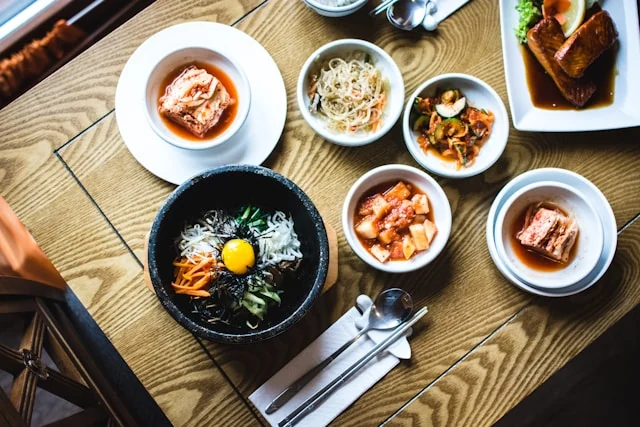
You’ll order one thing and suddenly your table fills up with small plates (usually different varieties of kimchi).
Some banchan can be refilled without charge; others cannot. Ask which dishes are included before requesting more.
There are so many different side dishes, and of course they are usually paired with certain foods, or otherwise have some intended purpose in your meal.
It's easy to get confused and overwhelmed. Find a Korean friend to ask about pairings if you're curious.
Convenience Stores as Hangout Spots
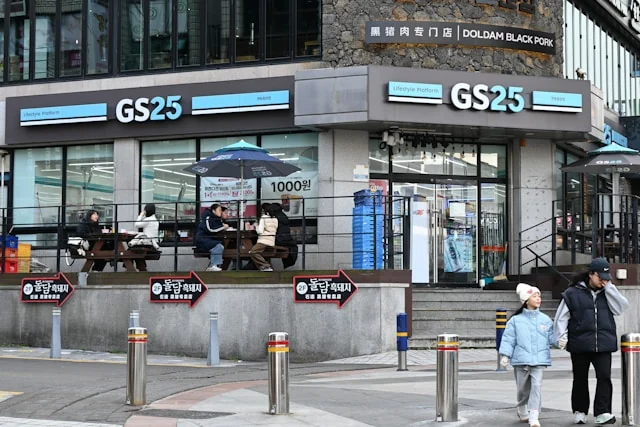
Some convenience stores aren’t just quick stops.
Use only permitted smoking areas. Standing outside a convenience store does not automatically make smoking allowed.
It’s a nice, low-key part of everyday life, and like most things in Korea, it's super convenient.
Enjoy the unfamiliar, and check the actual rules
Most of this isn’t a big deal, it just feels unfamiliar at first.
After a bit of exposure, it all starts to feel normal, and you stop thinking twice about it.
If you’re planning a trip and want more practical stuff like this, we share a lot over on Instagram (@korea_unboxed).
Where to go next
Continue with part two, restaurant ordering and drinking customs. The Korea Knowledge Catalogue brings the practical essentials together.