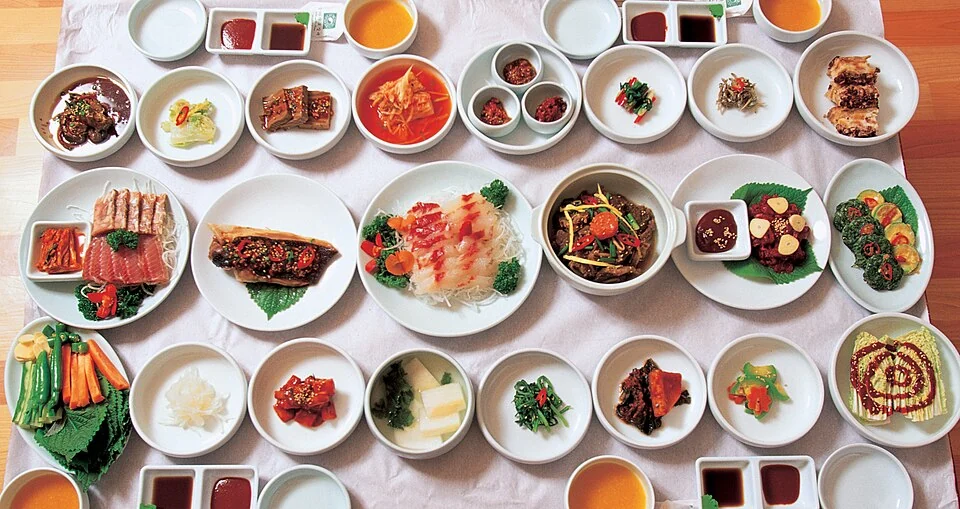
In Korea, food shows up in very specific moments. Not in a formal, rulebook kind of way, but in a quiet, consistent way that people just follow without thinking too much about it.
If you spend enough time there, you start to notice that certain dishes aren’t just meals. They’re tied to events, seasons, and small cultural habits that don’t always get explained.
Here are some of the ones that actually matter.
Birthday seaweed soup
Miyeok-guk, or seaweed soup, is a familiar birthday food in Korea, although families and individual preferences differ.
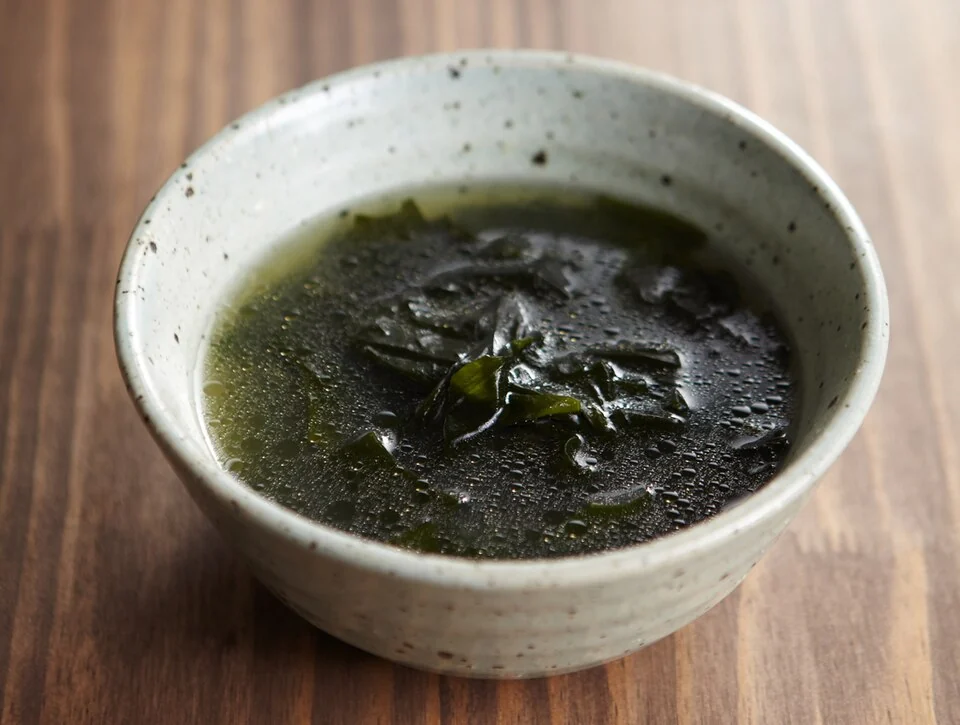
It is a meaningful custom for many people, not something every birthday must include.
The reason goes back to mothers eating seaweed soup after giving birth. So when you eat it on your birthday, it’s less about celebrating yourself and more about acknowledging where you came from.
Most people don’t make a big deal out of that meaning, but it’s understood.
Moving into a new place means ordering jajangmyeon
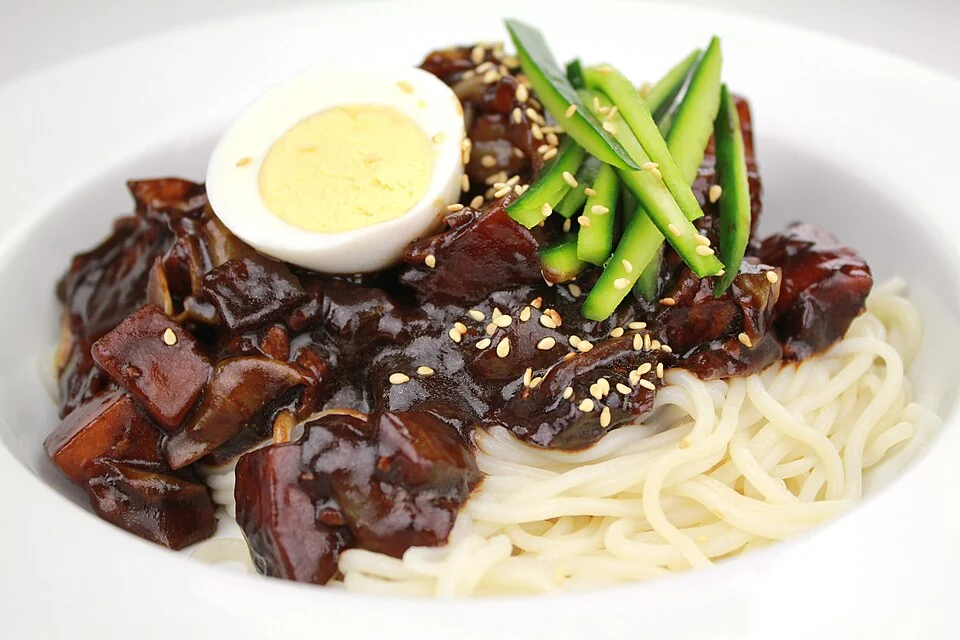
Jajangmyeon is associated with moving day for many households: an easy ordered meal when the kitchen is packed away.
It’s simple. It delivers easily, doesn’t require setup, and you can eat it sitting on the floor surrounded by boxes. Chinese restaurants created the early infrastructure for meal delivery in Korea.
Convenience is a practical explanation for the association. It does not mean people cannot eat alone or that every move follows this tradition.
It’s not symbolic in a deep way, but it’s consistent enough that it feels like part of the process.
Before exams, people lean toward “sticky” foods
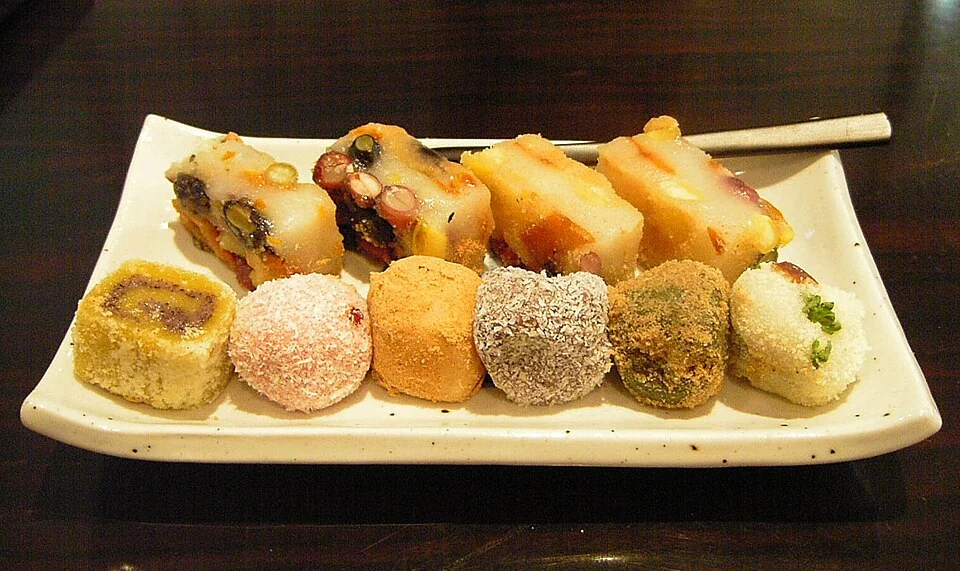
Students will often eat Tteok (rice cake) before important exams.
Sticky treats such as yeot or rice cakes can express a wish to pass an exam. The wordplay connects sticking, 붙다, with passing; it is a good-luck gesture, not a claim that sweets improve memory.
People don’t always take it literally, but it’s common enough that it shows up every exam season.
After childbirth, seaweed soup becomes a routine
This is where the birthday tradition comes from.
Seaweed soup is traditionally associated with meals after childbirth. That cultural practice is not individual medical or nutrition advice.
Later on, that same dish carries over into birthdays, but the original context is still there.
Funeral meals are simple, but not always plain
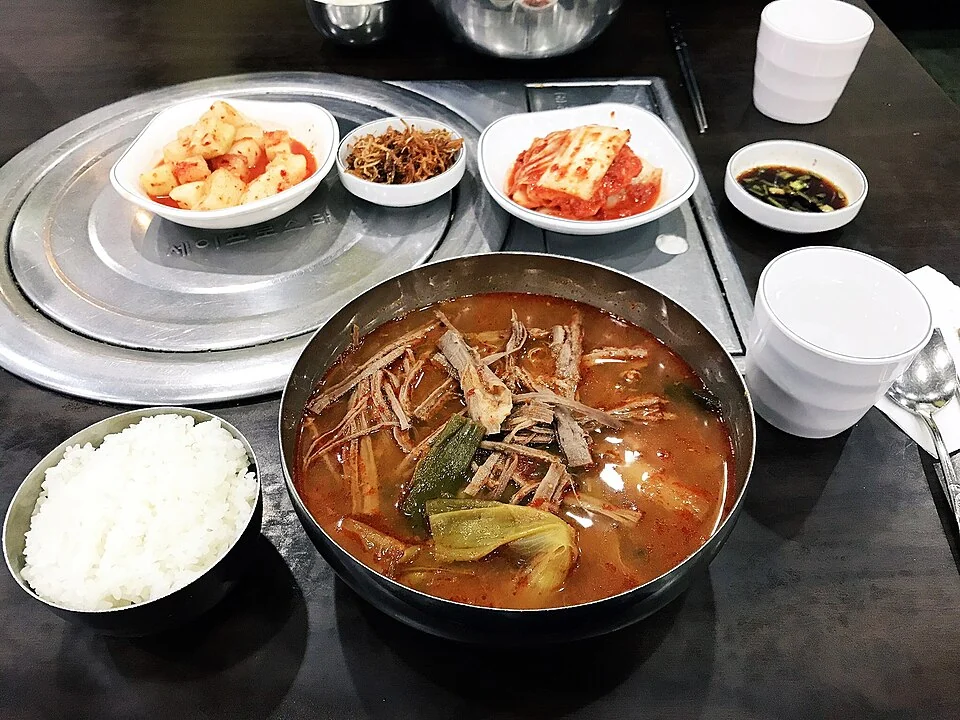
At funerals, the food usually stays simple and practical, but one dish that shows up often is Yukgaejang.
Yukgaejang is often associated with funeral meals. Explanations of the custom vary, so avoid treating a single story about red colour or spirits as a settled origin.
Whether people take that literally or not, it’s still something you’ll see regularly. Like a lot of these rituals, it sits somewhere between tradition and habit, without needing to be fully explained.
Ancestral rituals come with very specific food setups
For ancestral memorials, known as "jesa," food is arranged in a very particular way.
There are rules about where things go, what types of food are included, and how the table is presented. It’s less about eating and more about honoring tradition.
To someone unfamiliar, it can look overly structured, but within the culture it feels normal.
Lunar New Year starts with rice cake soup
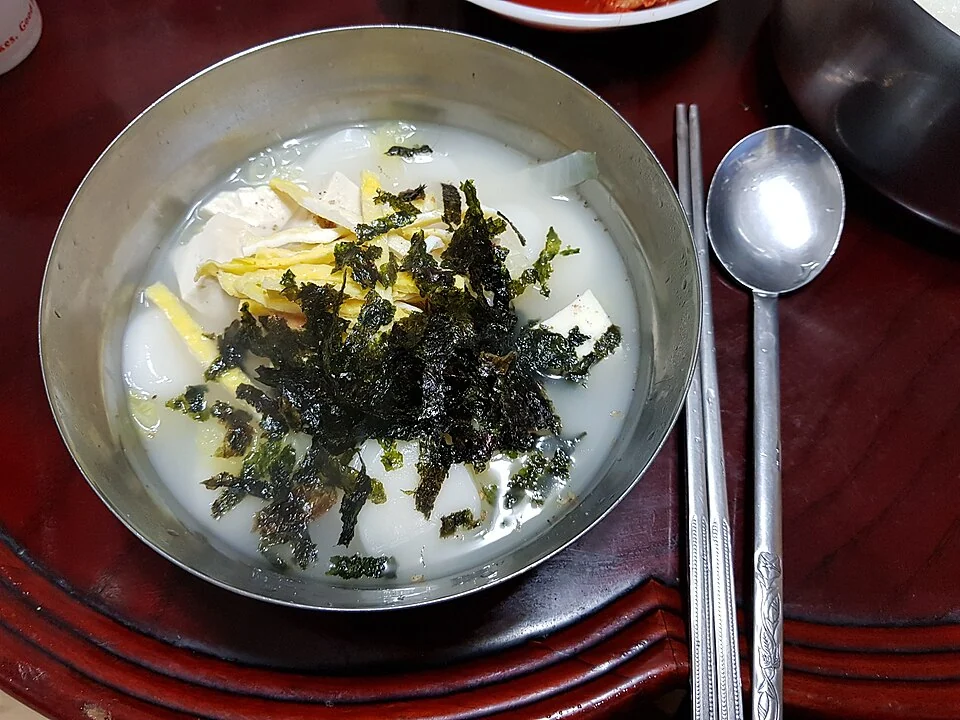
On Lunar New Year, people eat Tteokguk (rice cake soup).
The joke about gaining a year after tteokguk belongs to a New Year custom. Eating the soup does not determine anyone’s legal age.
It’s one of those traditions that everyone knows, even if they joke about it.
Chuseok is tied to making and eating songpyeon
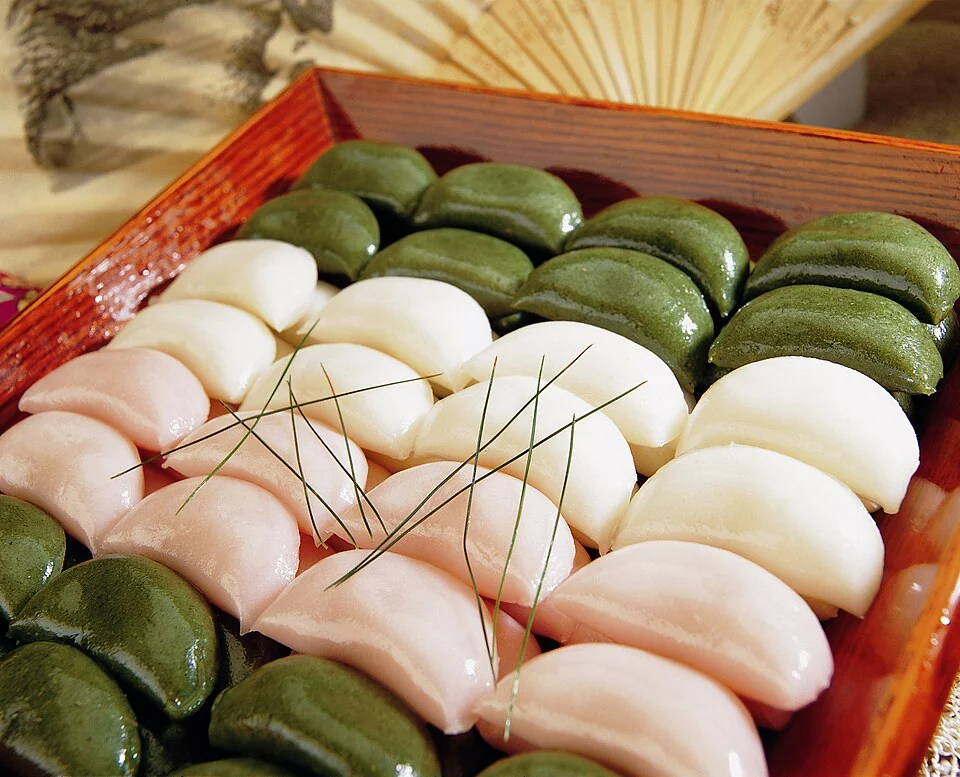
During Chuseok, families make and eat Songpyeon, which is basically a stuffed rice cake. The stuffings can vary, but it's usually something like red bean, sesame, or honey.
They’re often made together with family members, and there’s a quiet idea that if you shape them well, it reflects something positive about your future.
It’s less about precision and more about the act of doing it together.
The hottest days of summer call for ginseng chicken soup
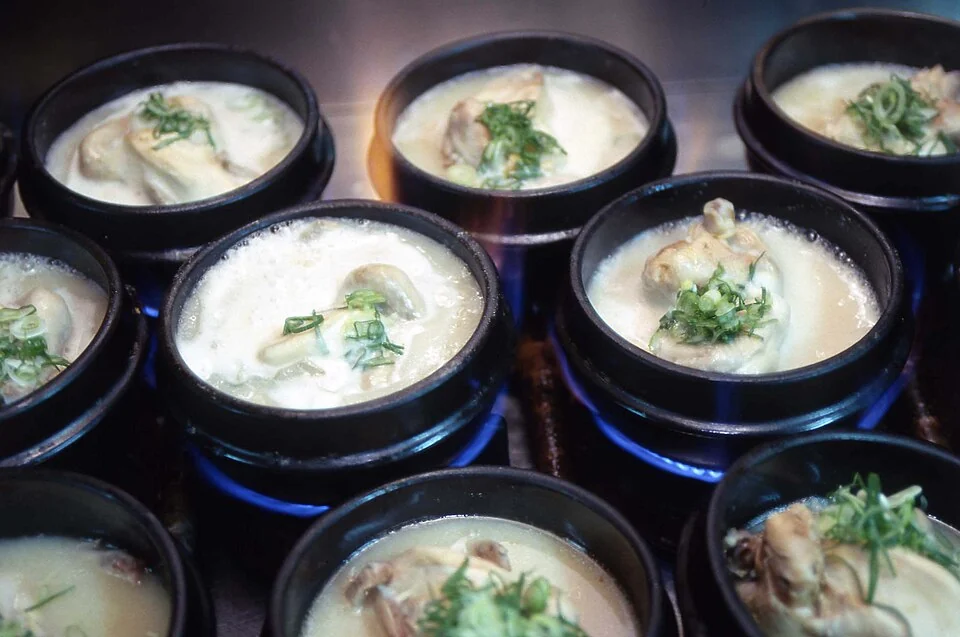
Samgyetang is associated with the hottest summer days in a custom often described as meeting heat with heat.
That is a cultural idea, not a treatment for heat illness. Follow ordinary heat-safety guidance when temperatures rise.
It sounds counterintuitive at first, but it’s widely followed.
Food matters as much as timing as it does taste
None of these are strict rules. People skip them, adapt them, or treat them casually depending on their lifestyle.
But they still exist in the background.
If you pay attention, you’ll notice that food in Korea isn’t just about what you feel like eating. It’s often tied to a moment, a season, or a shared understanding that doesn’t need to be explained out loud.
That’s what makes it interesting.
Conclusion
None of these are strict rules, and plenty of people don’t follow them as closely as they used to. But they’re still there in the background, shaping how meals fit into everyday life. Over time, you start to notice that food in Korea isn’t just about taste or convenience. It’s tied to moments, routines, and shared understanding. Once you see it that way, even a simple meal starts to feel like part of something a little bigger.
For another way to understand food culture, read what Korean menus leave unsaid.
Where to go next
For a move of your own, use the move-in day checklist. For the restaurant visit, see ordering food in Korea. The Korea Knowledge Catalogue brings the practical essentials together.