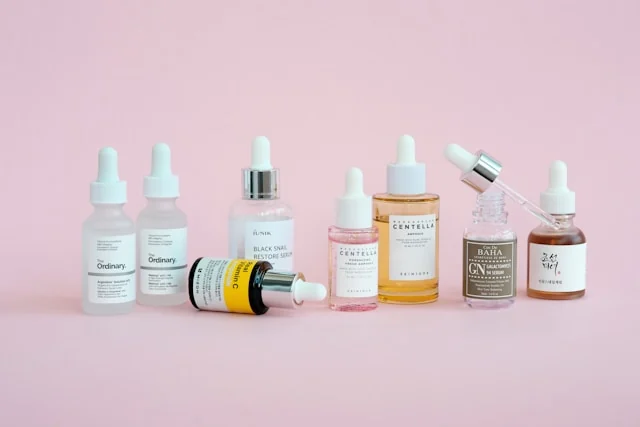
Buying Korean skincare should not require detective training. Still, a familiar logo on a marketplace listing does not tell you who supplied the bottle inside the parcel. Start with the seller and the brand’s own guidance, then use the packaging as supporting information.
Counterfeits, expired stock and poor storage are different problems. A product can be genuine and still unsuitable to use. This guide helps you make a careful purchase without pretending a photograph or batch-code website can settle every doubt.
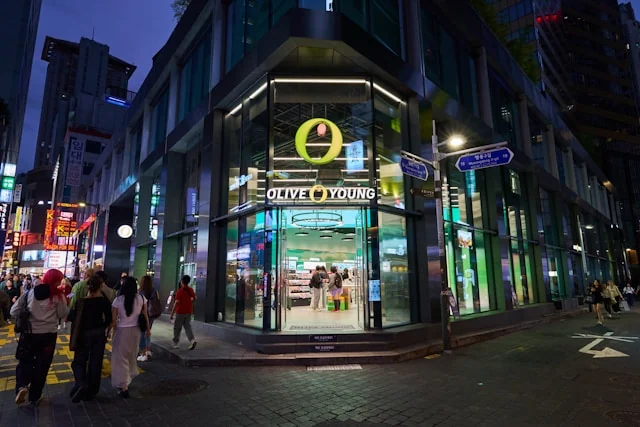
Start with the actual seller
The name of a large marketplace is not the same as the name of the seller. Open the seller profile and check who will supply the order, what receipt you will receive, and how returns or authenticity questions are handled.
A brand’s own shop or a retailer listed by that brand gives you a clearer route to support. Check the exact seller, country and storefront. A logo, sponsored search placement or impressive number of reviews is not proof that a shop is authorised.
For example, COSRX’s own FAQ directs shoppers to its official verification service and distributor information. Other brands have their own processes. Use the brand’s website to reach those resources instead of trusting a lookalike link sent by a seller.
Use the price as a reason to check
A very low price deserves a closer look, but no discount percentage proves a product is fake. Genuine promotions, package sizes, older packaging and regional pricing can all change the price. Expensive counterfeits exist too.
Compare the exact size and version with the official product page. Then check the seller’s explanation for the discount, the expiry date and the return policy. A low price is less attractive if the product will expire before you can use it.
Compare packaging without treating it as a verdict
Poor print, misspellings, damaged seals or inconsistent labelling are reasons to contact the brand. They are not a complete authentication test. Brands redesign packaging, and labels can differ between markets.
Compare your product with information for the same market and version. Keep photographs of the box, seal, batch marking and receipt. If something differs, ask the manufacturer whether that version is legitimate before using it.
What batch codes can and cannot tell you
A batch or lot number can help the manufacturer investigate a product. An expiry date tells you about its intended usable life under the specified storage conditions. Neither marking, by itself, establishes that the contents came from the brand.
Third-party date-checking sites may estimate manufacturing information from a code. Their databases can be incomplete, and a real code can be copied onto another package. Prefer a verification service reached through the manufacturer’s official website, and ask the brand about results you cannot interpret.
COSRX currently links an authenticity check from its official FAQ. That is a brand-specific example, not a universal test for Korean cosmetics.
Do not test a suspicious product on your skin
An unusual smell, separation, a broken seal or a significant change in colour is a reason to stop and ask the seller or manufacturer. Storage damage and counterfeiting can look similar. Online descriptions of texture cannot establish safety.
If a product causes irritation, stop using it and seek advice from a pharmacist or clinician. For severe symptoms such as trouble breathing, get urgent medical help. Our guide to seeing a doctor in Korea explains how to prepare for care when you do not speak Korean.
The original article included the video below as a visual introduction. Follow the manufacturer’s current verification instructions for a specific purchase; a video comparison is not a certification.
If you think you received a counterfeit
Keep the product, packaging, order confirmation and seller messages. Photograph what concerns you and contact the brand through its official website. Ask the retailer or payment provider about the applicable return or dispute process, and avoid making public accusations before you have reliable evidence.
Do not pass a suspicious product to someone else to try. If the brand confirms a problem, follow its instructions and the relevant consumer or safety authority’s reporting route.
Shopping in Korea still calls for the same checks
An established shop with a clear receipt and customer-service route is a sensible starting point. Buying in Korea is not an automatic guarantee of authenticity, storage quality or suitability for your skin. Confirm who the seller is and keep the paperwork, wherever you shop.
I started researching this subject with very little interest in cosmetics, but the practical lesson is straightforward: spend a little time checking the seller before spending your money. It is easier than trying to identify a mystery bottle afterwards.
Where to go next
For medicine questions, see what Korean pharmacies can help with. The Korea Knowledge Catalogue brings the practical essentials together.
Sources and useful resources
COSRX official authenticity and distributor guidance.
Sources checked: September 10, 2026.