May 1, 2026

When you first arrive in Korea, you might feel like you understand more English than you actually do.
Signs, menus, and conversations are often filled with English words. The problem is that many of those words have been adapted over time and don’t match their original meaning anymore. This is usually called “Konglish.”
It’s not incorrect. It’s just localized. Once you understand how these words are used, things become much clearer.
What you expect: Help from staff or customer support
What it actually means: Something given for free
In Korea, “service” almost always means a free extra item, especially in restaurants, cafes, or small shops.
If someone says “This is service,” they are telling you that you are getting something at no additional cost.
Example scenario:
You order a meal, and the server brings out an extra dish or drink and says “Service.”
They are not describing their level of service. They are telling you it is complimentary.
This comes from the idea of providing good service by giving something extra, and over time, the word itself came to mean the free item.
What you expect: I guess they really love math?
What it actually means: Buy one, get one free
In Korea, “1+1” is one of the most common things you’ll see in convenience stores, supermarkets, and even cosmetic shops. It has nothing to do with math in practice. It’s a promotion.
If an item is labeled “1+1,” it means you get two for the price of one.
Example scenario:
You walk into a convenience store and see drinks labeled “1+1.” If you bring one to the counter, the cashier will often ask if you want to grab the second one. The deal only applies if you take both.
This is where people get confused. In some cases, you won’t automatically receive the second item. You’re expected to pick it up yourself.
There’s also a related version called “2+1,” which means you buy two and get one free.
The reason this feels confusing is that in English-speaking countries, promotions are usually spelled out clearly as “buy one get one free.” In Korea, the shorthand is used everywhere, and it’s assumed everyone understands it.
Once you recognize it, it becomes one of the easiest ways to save money, especially for everyday items like drinks, snacks, and toiletries.

What you expect: Conflict or aggression
What it actually means: Encouragement, similar to “you can do it”
You will hear “fighting” in a wide range of situations, from sports to exams to casual encouragement between friends.
It has nothing to do with actual fighting. It’s closer to saying “good luck” or “stay strong.”
Example scenario:
A friend tells you they have a big test tomorrow.
You might say “Fighting” to show support.
It’s short, casual, and very common. In English, saying “fighting” would sound strange, but in Korea it feels completely natural.
What you expect: Not really a standard English word
What it actually means: Physical affection
“Skinship” refers to casual physical contact like holding hands, hugging, or leaning on someone.
It’s often used when talking about relationships, friendships, or even interactions between family members.
Example scenario:
Someone might say a couple has “a lot of skinship,” meaning they are physically affectionate in public.
In English, you would describe the behavior directly. In Korea, this single word covers the concept.
What you expect: A single attempt or possibly a shot of alcohol
What it actually means: Drink everything in one go
This is commonly heard in social drinking situations.
If someone says “one shot,” they are encouraging everyone to finish their drink completely.
Example scenario:
You are out drinking, and someone raises their glass and says “One shot.”
They are not suggesting a small drink. They are telling you to finish what is in your glass.
It can feel a bit intense if you are not used to it, but it is usually said in a friendly, group-oriented way.

What you expect: A special phone... intended for your hand?
What it actually means: Mobile phone
In Korea, a mobile phone is often called a “hand phone.”
You will still see “phone” or “mobile” used, but “hand phone” shows up in conversation and sometimes on signage.
Example scenario:
Someone asks, “Do you have your hand phone?”
They simply mean your cell phone.
It is straightforward once you know it, but it can catch you off guard the first time.
What you expect: Sneaky or deceptive behavior
What it actually means: Cheating or copying answers
In Korean usage, “cunning” is often used in academic settings to describe cheating, especially during exams.
Example scenario:
A teacher might warn students not to do “cunning” during a test.
They are not talking about being clever in a negative way. They mean directly copying or cheating.
What you expect: A work-related discussion
What it actually means: A group blind date
In Korea, a “meeting” can refer to a social event where two groups, usually men and women, meet for the purpose of getting to know each other.
Example scenario:
Someone tells you they have a “meeting” tonight.
If it is outside of work hours, they are likely referring to a group date, not a business meeting.
Context matters here. The same word exists in both meanings.
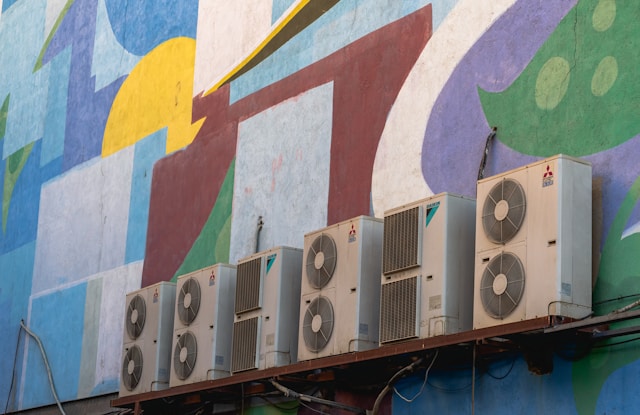
What you expect: You might guess, but it’s not standard
What it actually means: Air conditioner
“Aircon” is widely used in Korea to refer to air conditioning units.
Example scenario:
In a hotel or apartment, you might see a label or remote control marked “Aircon.”
It simply refers to the AC system.
What you expect: A planned occasion or gathering
What it actually means: A promotion or sale
In stores, “event” usually refers to a discount, promotion, or special deal.
Example scenario:
A sign says “Summer Event.”
This does not mean there is an activity happening. It means there are sales or promotions available.
What you expect: A phone call in the morning
What it actually means: A wake-up call, usually from a hotel
This one is fairly close to English, but it is used more broadly and more commonly in Korea.
Example scenario:
At a hotel, you might request a “morning call” to be woken up at a certain time.
It is simply a scheduled wake-up call.
Most of these words make sense once you see how they evolved.
Some are shortened versions of longer English phrases. Some shifted meaning based on how they were first introduced. Others reflect cultural habits that didn’t have a direct Korean word at the time.
The important thing is not to treat them as incorrect English. They are part of how Korean communication works in everyday life.
If you assume every English word means exactly what it does back home, you will get confused. If you treat them as local vocabulary, even if they sound familiar, they become much easier to understand.
And after a few days, you stop noticing the difference at all.
.svg)




Your Instagram preview will appear here once the widget is published.
👉 Publish your site to see the live Instagram feed.