May 1, 2026

Using the bathroom in Korea is usually straightforward during the day, but it can become surprisingly difficult at the worst times, especially late at night. This is one of those things you don’t think about until you actually need it. I ran into this myself more than once, trying to find a clean, usable bathroom during nights out and realizing most of the obvious (clean) options were closed. On top of that, even when you do find a restroom, it may not have basic things like toilet paper or soap. This guide exists to help you avoid that situation by knowing where to go, what to expect, and how to prepare ahead of time.
When you are outside, the most reliable places to find bathrooms are large, public-access buildings.
Subway stations are one of the best options. They always have restrooms, and they are usually free and reasonably clean. Department stores and shopping malls are also very reliable, often with well-maintained facilities.
Cafes and larger restaurants usually have bathrooms as well, although they may be reserved for customers. Office buildings can also work, especially during the day.
One important thing to understand is that convenience stores are not a dependable option. Most do not have public restrooms, even though many people expect them to.
If you need a bathroom quickly, your best move is to head toward something large and obvious rather than searching small streets.

In some cafes, restaurants, and smaller buildings, the bathroom is not openly accessible. You may find that the door is locked or requires a code to enter.
This is usually done to prevent non-customers from using the restroom. If you are a paying customer, the staff will typically give you the key or tell you the access code. Sometimes the code is printed on your receipt, posted near the counter, or written on a small sign inside the store.
If you cannot find it, you can simply ask. Even without much Korean, this is usually easy to communicate by saying “화장실?” (hwajangsil), which means “bathroom,” or just "toilet," which is pretty universal.
It is also common for bathrooms to be located outside the main shop, such as in a shared hallway or upstairs in the building. In these cases, the entrance may not be obvious at first. This also means that a staff member might walk you to the bathroom if it's difficult to explain the directions to you. Congratulations on your first Korean toilet quest.
If you are not a customer, access can be more difficult. Some places will refuse, while others may allow it depending on the situation. Usually, they're okay with it if you buy something. If you need a guaranteed option, it is still safer to rely on larger public locations like subway stations or department stores during the day.
Bathrooms in Korea are often cleaner than people expect, especially in cities. Many are maintained regularly, and even public restrooms are usually usable.
However, “clean” does not always mean “fully equipped.”
It is common to find bathrooms that are missing basic items. The toilet itself may be clean, but things like toilet paper or soap are not guaranteed. This is especially true in older buildings or less central areas.
Because of this, it is better to assume that you may need to rely on your own supplies.

This is one of the most important things to understand.
Some bathrooms do not provide toilet paper at all. Others may have it outside the stall rather than inside. In some cases, it may simply be empty.
You'll sometimes see rolls of toilet paper inside a restaurant or bar. The idea is to provide a service to paying guests, and at the same time discourage the unpaying public from using their toilets.
Soap is also inconsistent. Many restrooms have sinks but no soap dispenser, or one that is empty.
If you are not prepared for this, it can turn a normal situation into an uncomfortable one very quickly.
A simple habit that helps a lot is stopping by a convenience store ahead of time and picking up a few small items. Travel tissues, dissinfectant wipes, wet tissues, a roll of toilet paper, or hand sanitizer can make a big difference. These are inexpensive and easy to carry, and they remove most of the uncertainty.
You will mostly encounter standard western-style toilets, especially in cities and newer buildings.
If you find a nice clean bathroom with a bidet (probably in a cute cafe), mark it on your map.
However, squat toilets still exist, particularly in older public restrooms and in the countryside. In many cases, both types are available in the same bathroom, but not always.
If you have a preference, it is worth quickly checking the stalls before choosing one.
Public bathrooms in Korea usually have rubbish bins available, and you will often see them inside the toilet stalls as well.
These bins are not just for general trash. In some cases, they are used for disposing of toilet paper. This comes from older plumbing systems that were not designed to handle large amounts of paper, which could easily clog the pipes. Because of that, people would throw used toilet paper into the bin instead of flushing it.
In newer buildings, flushing toilet paper is usually fine, but the bins are still commonly there out of habit and in case the plumbing is less reliable. If you see a bin inside the stall, it is a good idea to check for a sign or follow what others are doing.
Even if you are not using it for toilet paper, these bins are useful if you need to throw away tissues or other hygiene items, especially in bathrooms that are not well stocked.
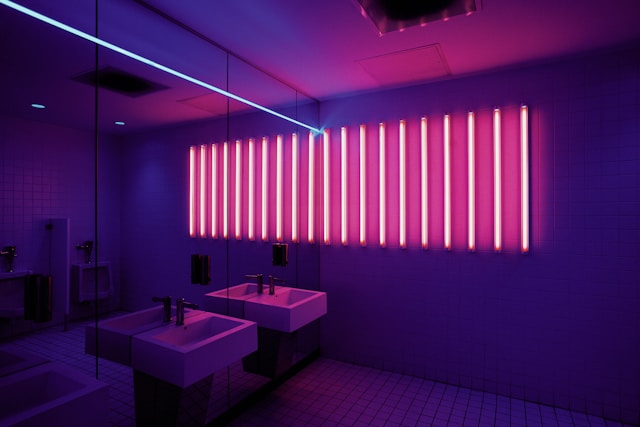
This is where things change significantly.
After around midnight, many of the most reliable bathroom options are no longer available. Subway stations close, and most cafes and department stores shut down. This removes the easiest places to go.
At that point, your options become more limited. The most common places to find a bathroom late at night are pubs, bars, and clubs.
These places will usually have restrooms, but the condition can vary a lot. Some are fine, while others are not well maintained, especially later into the night.
If you know you will be out late, it helps to plan ahead. Using a clean restroom before things close is often the better option rather than waiting until later when choices are limited.
If you suddenly need a restroom during the day, go to the nearest subway station, department store, or large cafe. These are the most reliable and consistent options.
If you are out late at night, head into a bar or similar venue rather than searching for public facilities that may no longer be open.
In both cases, having basic personal items like tissues or sanitizer removes most of the uncertainty.
If you find a place with a nice toilet, remember it, befriend the staff there, make it your home-base for those emergency out-and-about poop attacks.
Bathrooms in Korea are generally accessible and clean, but they are not always fully equipped. The biggest difference is that you cannot assume things like toilet paper or soap will be available every time.
Once you adjust to that and carry a few simple items with you, the experience becomes straightforward. Knowing where to go during the day and what to expect at night makes a big difference, especially when you need a bathroom quickly.

.svg)



Your Instagram preview will appear here once the widget is published.
👉 Publish your site to see the live Instagram feed.